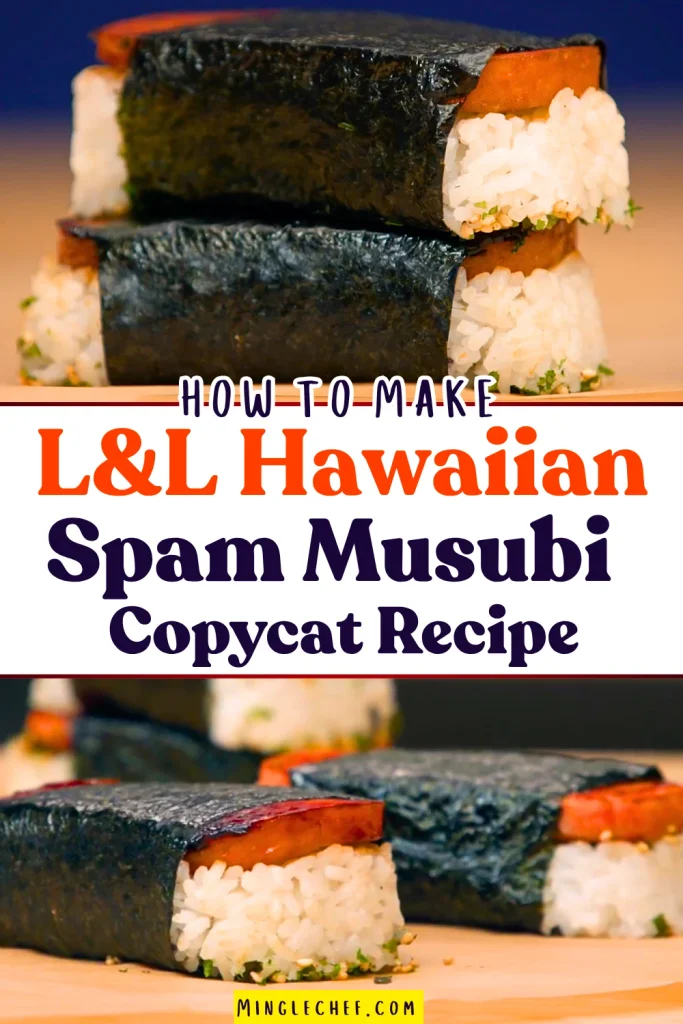
I have always had a soft spot for the Spam musubi sitting in the grab-and-go section at Hawaiian BBQ restaurants. It is not fancy food, and that is part of the reason I like it.
You get a warm block of sticky rice, a slice of grilled Spam with those browned edges, a little furikake, and a strip of nori wrapped around it. Pick it up, take a bite, and somehow you are already thinking about the next one.
L&L Hawaiian BBQ is one of the places that made Spam musubi a familiar favorite for so many people. Their version is simple, filling, and easy to eat on the go. I wanted a homemade version that would give me that same combination of salty Spam, sweet-savory glaze, seasoned rice, and toasted seaweed without making the recipe complicated.
This L&L Hawaiian BBQ Spam Musubi Recipe is my take on that restaurant-style favorite. The Spam is browned in a skillet, brushed with a sticky soy and brown sugar glaze, then pressed with warm Japanese short-grain rice and furikake before the nori goes around it.
If you have been looking for an L&L Spam Musubi copycat because you had one at the restaurant and wanted to make it at home and serve in katsu sauce.
Hawaiian Spam Musubi vs. Traditional Onigiri: What’s the Difference?
Hawaiian Spam musubi and Japanese-style Spam musubi share the same basic idea—seasoned rice and Spam held together with nori—but they have different culinary roots and flavors.
Spam musubi became especially associated with Hawaii, where Spam became a popular pantry staple and eventually found its way into local dishes.
Japanese-style versions may lean more toward traditional Japanese rice seasonings and ingredients, while Hawaiian versions commonly use a sweet-savory Spam glaze, furikake, and a simple nori wrap.
This spam musubi recipe follows the Hawaiian-style approach, with caramelized Spam and a richer glaze that gives each bite that familiar Hawaiian BBQ flavor.
What Rice Should I Choose For This Hawaiian Spam Musubi
Japanese short-grain white rice is the best choice for this Spam musubi. The grains become pleasantly sticky when cooked, which helps the musubi stay together without needing to mash the rice.
I recommend sushi rice because it gives you the right texture for pressing into a firm rectangular shape.
Calrose rice is another good option if Japanese short-grain rice is not available.
Avoid long-grain rice when possible because the grains stay too separate and can make the musubi fall apart when you pick it up.
Perfect For
Quick Hawaiian BBQ Lunches – A filling handheld meal when you want something savory without sitting down to a full plate.
Packed Lunches – Wrap each musubi individually and tuck a few into a lunchbox for a rice-and-Spam meal that travels well.
Beach and Pool Days – A familiar Hawaiian snack that is easy to pick up and eat without needing forks, knives, or a messy plate.
Hawaiian BBQ Nights – Serve alongside macaroni salad, grilled chicken, steamed rice, and other favorites for a full restaurant-style spread.
Weekend Family Snacking – Put a plate of freshly wrapped musubi on the kitchen counter and watch how quickly they disappear.
Picnic Tables – The compact shape makes Spam musubi especially handy for outdoor meals when you want something hearty and easy to carry.
After-School Bites – Warm, sticky rice and sweet-savory glazed Spam make a satisfying snack when everyone comes home hungry.
L&L Hawaiian BBQ Spam Musubi Ingredients
For the Rice
2 cups Japanese short-grain sushi rice – Japanese short-grain sushi rice becomes soft and sticky when cooked, making it easy to press into musubi shapes. It holds together well without becoming mushy, so each piece stays neat and easy to pick up.
2 cups water – Plain water cooks the rice and gives it the moisture needed to become tender and sticky. Using the right amount keeps the rice firm enough to mold instead of making it wet or loose.
For the Sweet-Savory Spam Glaze
1 can Spam, 12 ounces – A regular 12-ounce can of SPAM is cut into 8 pieces for this recipe. Browning the slices gives them lightly crisp edges and helps the sweet-savory glaze stick to every piece.
2 tablespoons soy sauce – Soy sauce adds salt and a deep savory flavor to the glaze. It balances the sweetness from the brown sugar and seasons the Spam without hiding its familiar taste.
1 tablespoon oyster sauce – Oyster sauce adds extra savory flavor, mild sweetness, and a thicker texture. It makes the glaze taste fuller and richer than soy sauce alone, while helping it coat the Spam slices evenly.
1 teaspoon sesame oil – Sesame oil adds a warm, nutty flavor to the glaze. Only a small amount is needed because its taste is strong, and too much can make the finished Spam taste heavy.
1 tablespoon packed brown sugar – Brown sugar gives the glaze its sweetness and shiny finish. It melts with the soy sauce as it cooks, helping the sauce caramelize slightly around the edges of the Spam.
1 teaspoon neutral cooking oil – Canola or vegetable oil helps brown the Spam in the skillet without adding extra flavor. Since Spam already contains fat, just a small amount is enough to keep it from sticking.
For Assembly
2 sheets nori, cut into 8 strips, about 1½–2 inches wide each – Roasted nori wraps around each musubi and helps hold the rice and Spam together. It also adds a light salty, seaweed flavor that works well with the sweet glaze.
2–3 tablespoons furikake – Furikake adds seasoning and a little crunch to the rice. Its sesame seeds, seaweed, and other seasonings pair well with the glazed Spam, so sprinkle it evenly over the warm rice.
Plastic wrap – Plastic wrap lines the empty Spam can before molding the rice. It keeps the rice from sticking and makes it easier to lift the shaped rice block out without breaking it apart.
Required Kitchen Equipment
- Saucepan or rice cooker – Use either one to cook the sushi rice evenly.
- Skillet – A large skillet gives the Spam enough room to brown instead of steaming.
- Small bowl – You will use this to mix the glaze before cooking.
- Pastry brush or spoon – Makes it easy to coat the Spam with an even layer of glaze.
- Sharp knife – A sharp blade helps cut the Spam into eight neat pieces.
- Empty Spam can – After cleaning it thoroughly, the can becomes a simple homemade musubi mold.
- Cutting board – Useful for cutting the Spam and preparing the nori strips.
How To Make L&L Hawaiian BBQ Spam Musubi
Step 1 | Rinse and cook the rice
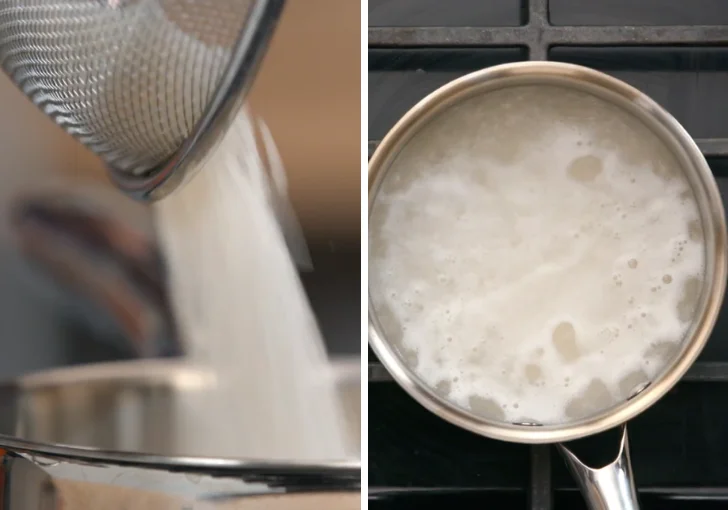
Place the sushi rice in a bowl and rinse it thoroughly with cold water, changing the water several times until the water becomes noticeably clearer. Drain well. Transfer the rice to a saucepan and add 2 cups of water. Bring the rice and water to a boil over medium-high heat.
As soon as it reaches a boil, reduce the heat to low, cover tightly, and cook for about 20 minutes. Remove from the heat and let the rice sit covered for another 5 minutes so the grains finish steaming and firm up enough for molding.
Step 2 | Make the sweet-savory glaze
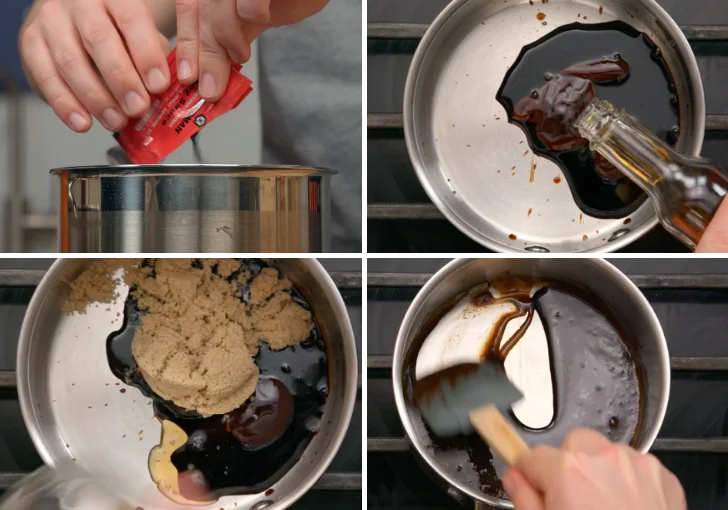
While the rice cooks, combine 2 tablespoons soy sauce, 1 tablespoon oyster sauce, 1 teaspoon sesame oil, and 1 tablespoon packed brown sugar in a small bowl. Stir until the brown sugar is mostly dissolved and the mixture is evenly combined.
The oyster sauce adds sweetness and body, the soy sauce provides saltiness, and the sesame oil gives the glaze a nutty flavor.
Step 3 | Prepare the Spam
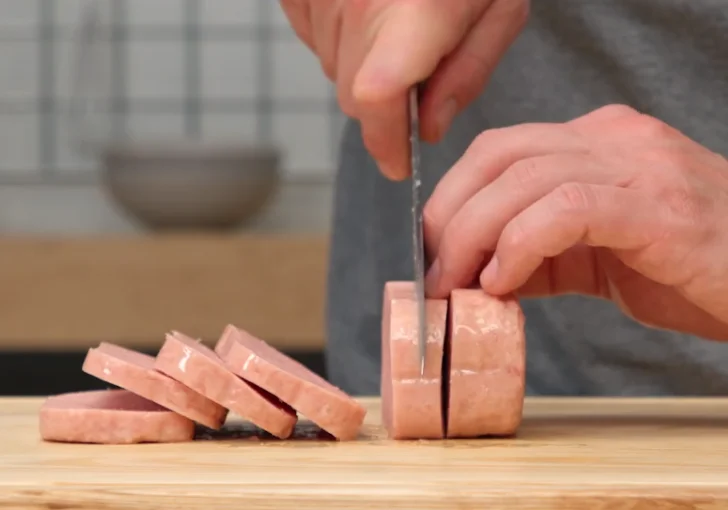
Open the Spam and reserve the empty can for molding the musubi later. Remove the Spam from the can and cut it in half lengthwise. Cut each half in half again, then divide each of those sections in half to create 8 equal pieces. The pieces should be roughly rectangular and similar in thickness so they cook evenly.
Step 4 | Sear the Spam
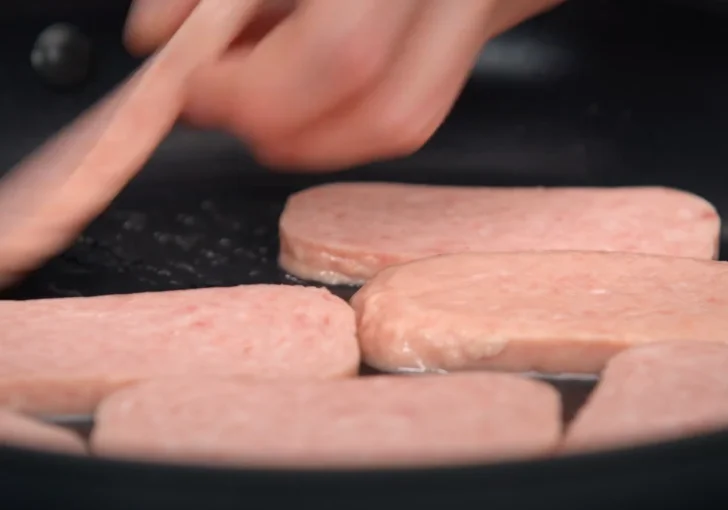
Heat a large skillet over medium heat and add about 1 teaspoon of neutral cooking oil. Place the 8 Spam slices in the skillet in a single layer.
Spam already contains plenty of fat, so only a small amount of additional oil is needed. Cook until the first side is nicely browned and crisp around the edges, turning the pieces as necessary for even browning.
Step 5 | Glaze the first side
Once the Spam is seared, brush the sweet-savory glaze generously over the exposed side of each piece. Allow the glazed side to cook in the skillet until the sauce becomes glossy, sticky, and slightly caramelized.
The brown sugar will begin to cook onto the surface and create a lightly crisp coating. Watch carefully because the sugar can burn quickly.
Step 6 | Glaze and sear the second side
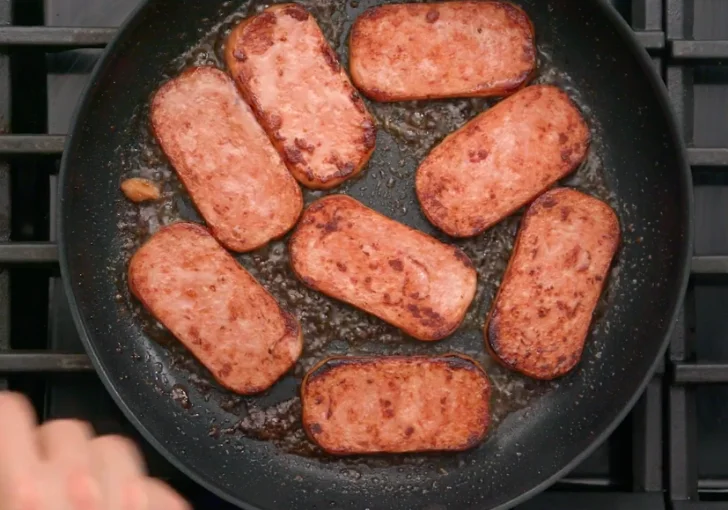
Turn each Spam piece over and brush the newly exposed side with more glaze. Continue cooking briefly until the second side is browned and caramelized. The two sides do not need to have exactly the same level of caramelization; having one side more deeply glazed and crisp gives the Spam a nice contrast of texture and flavor. Remove the Spam from the skillet once the pieces are browned, sticky, and cooked through.
Step 7 | Prepare the musubi mold
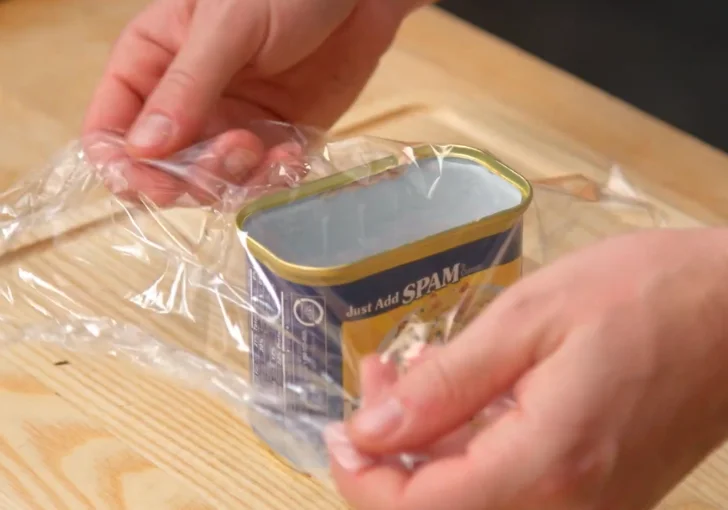
Clean and dry the empty Spam can. Line the inside of the can with a piece of plastic wrap, leaving enough plastic wrap hanging over the sides to lift the finished musubi out easily. Smooth the plastic against the inside walls so the rice will form a compact rectangular shape.
Step 8 | Add the Spam
Place one glazed Spam slice into the bottom of the plastic-lined can. Position the better-looking caramelized side downward so it will become the visible top of the musubi after the mold is inverted.
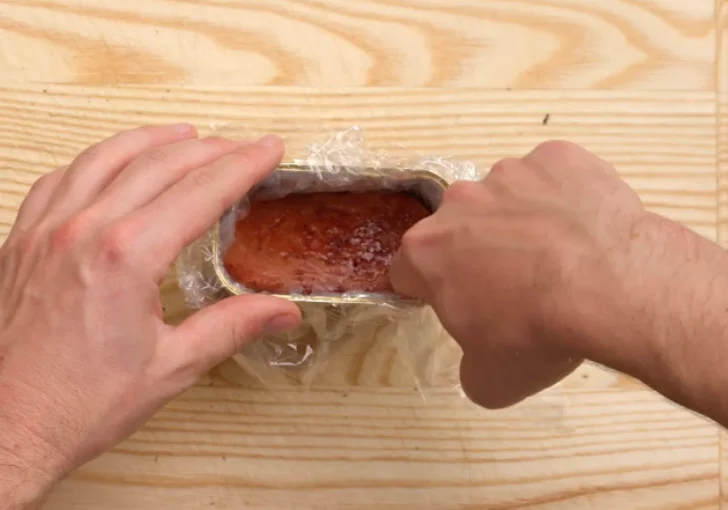
Step 9 | Add the rice
Spoon a portion of the warm sushi rice into the can over the Spam. Use the back of a spoon to press the rice down firmly and evenly. Compress the rice enough that it holds together as a solid block, but do not mash it into a paste. Fill the mold until the rice reaches approximately the top of the Spam slice.
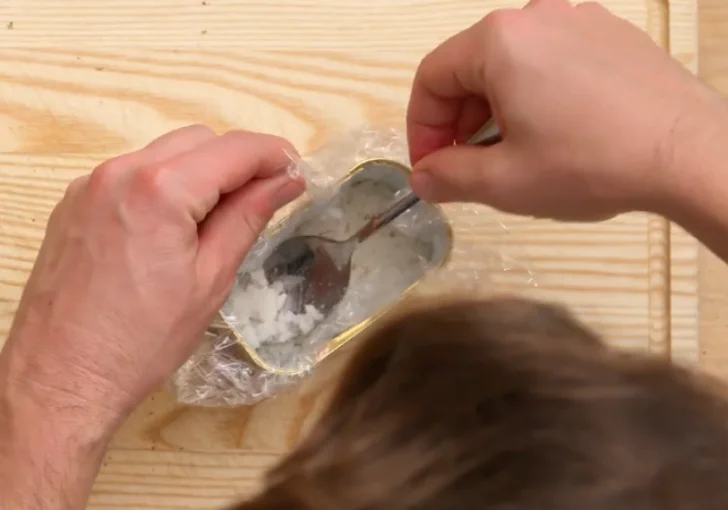
Step 10 | Add furikake
Sprinkle a light, even layer of furikake over the rice. The mixture of seaweed, seeds, and other savory ingredients adds saltiness, nuttiness, and texture while complementing the glazed Spam. Use enough to season the rice without creating a thick layer that makes the musubi difficult to compress.
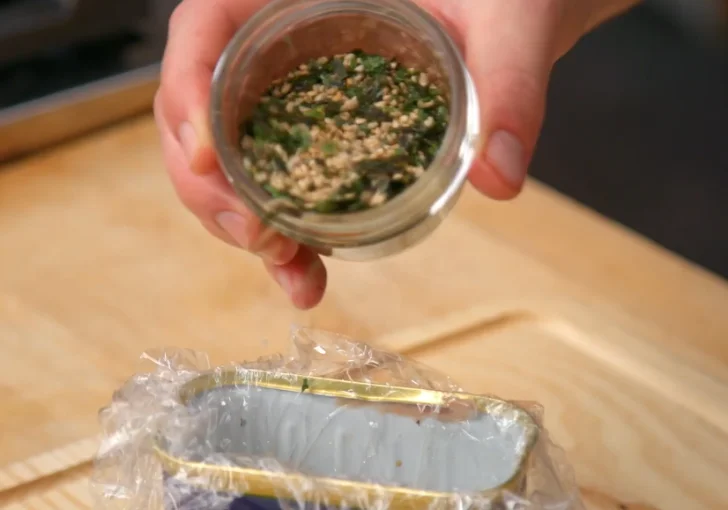
Step 11 | Form the musubi
Fold the plastic wrap over the top of the rice and press down firmly to compact everything together. Lift the plastic-wrapped musubi out of the can. Gently tighten the plastic wrap around the musubi and press the sides into a neat rectangular shape. Keeping the rice tightly compressed is important because it helps the musubi maintain its shape when carried and eaten by hand.
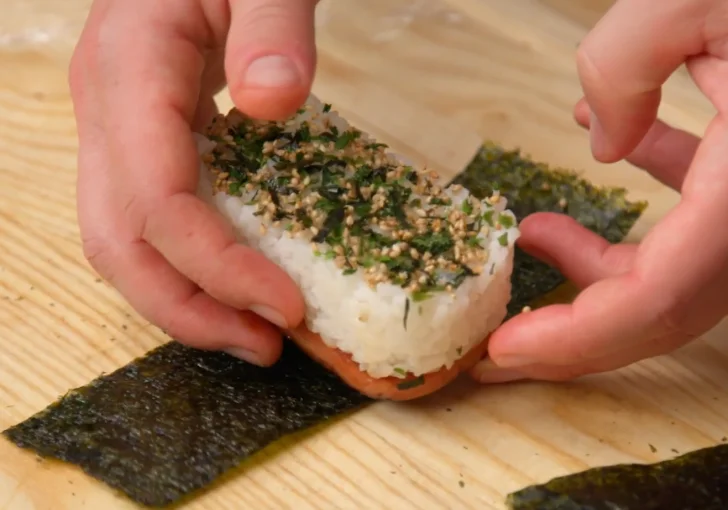
Step 12 | Wrap with nori
Place one strip of nori on a work surface with the rough side facing upward, since the rough side should contact the rice. Place the molded Spam-and-rice block in the center of the nori and wrap the nori around the musubi. Press the nori firmly against the rice so it adheres. The moisture and steam from the rice will soften the nori slightly and help seal it around the musubi.
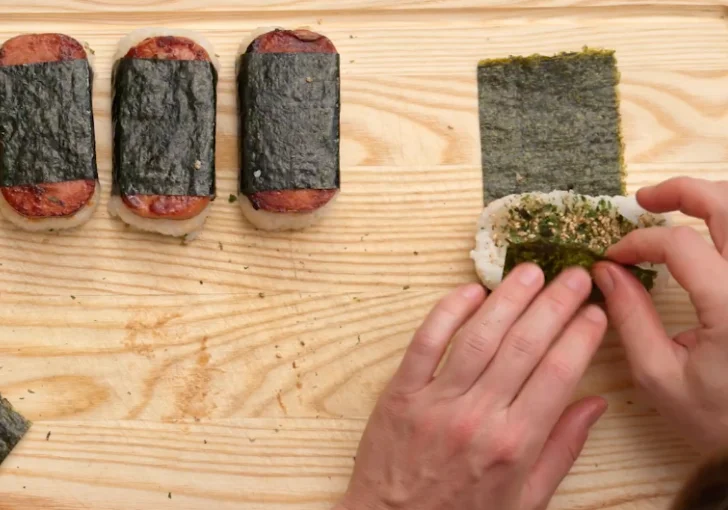
Step 13 | Finish and serve
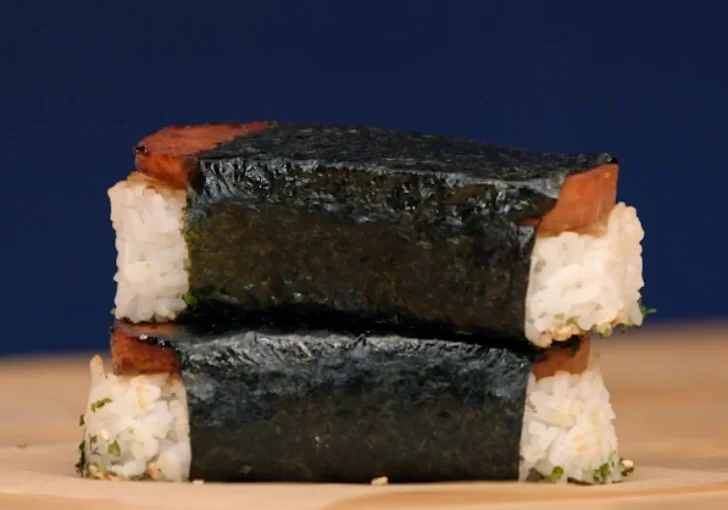
Repeat the process with the remaining 7 Spam slices, rice, furikake, and nori. Wrap each finished musubi tightly in plastic wrap if transporting them. Allowing the musubi to rest while wrapped helps the rice hold its rectangular shape and gives the glaze time to mingle with the rice. Serve at room temperature or slightly warm.
Pro Tips for Homemade L&L Hawaiian BBQ Spam Musubi
- Compress the rice more firmly than feels natural — under-packed musubi falls apart the moment you pick it up.
- Watch the glaze closely once the sugar hits the pan; it caramelizes fast and burns even faster.
- Wet your hands or the spoon slightly when pressing rice to keep it from sticking to everything.
- Wrap the nori right before eating if you’re not serving immediately, so it stays crisp instead of going soft and rubbery.
- Slightly warm rice molds better than piping hot rice, which can be too loose to hold a shape.
- If your furikake layer feels heavy, you added too much — a light dusting is really all you need.
How to Store L&L Hawaiian BBQ Spam Musubi
Store
Let freshly made musubi cool enough to stop steaming, then wrap each piece individually and refrigerate within 2 hours. Keep refrigerated at 40°F (4°C) or below and use within about 3 days for the best quality. The rice will become firmer in the refrigerator.
Reheating
Remove the plastic wrap before reheating. Warm the musubi gently in the microwave in short intervals until the center is heated through. Avoid overheating because the rice can become hard and the nori may turn chewy.
Important
Do not leave cooked Spam musubi at room temperature for more than 2 hours, or more than 1 hour when temperatures are above 90°F (32°C). For picnics or outdoor meals, use a properly chilled cooler rather than carrying it unrefrigerated for extended periods.
Don’t Make These Spam Musubi Mistakes
- Skipping the rice rinse. I tried this once out of laziness, and the rice turned out gummy and overly sticky instead of pleasantly tender.
- Not compressing the rice enough. A loosely packed musubi will crumble apart within a bite or two — press harder than feels reasonable.
- Walking away during the glazing step. I’ve burned a batch of Spam in under 30 seconds because I got distracted mixing furikake. Stay close to the pan.
- Using cold, hard rice straight from the fridge. It won’t compress properly and tends to crack instead of holding a smooth shape.
- Wrapping the nori too early. Nori wrapped hours ahead turns soft and chewy in a way that isn’t pleasant — it should still have a bit of snap when you bite in.
Can You Make Spam Musubi Ahead of Time
Yes, but the best approach is to prepare the individual components ahead and assemble the musubi closer to serving time.
The rice can be cooked ahead, although it should be cooled and stored safely before use. The glaze can also be mixed ahead and refrigerated in a covered container.
The Spam can be browned and glazed ahead as well, then refrigerated and gently rewarmed before assembly. For the best texture, assemble musubi a few hours before packed lunches or picnics.
For a pool or beach day, keep finished musubi chilled in an insulated cooler until it is time to eat.
What To Serve With L&L Hawaiian BBQ Spam Musubi
Hawaiian Macaroni Salad
The cool, creamy texture is a great match for the warm glazed Spam. Spoon a small portion beside two musubi pieces and add a little green onion or sliced scallion on top for a simple plate that feels right at home at a Hawaiian BBQ.
Fresh Cucumber Salad
A crisp cucumber salad brings a refreshing contrast to the salty-sweet Spam. Thinly slice the cucumber and arrange it beside the musubi rather than underneath it, so the nori stays dry and crisp when the plate reaches the table.
Steamed White Rice
If you are serving musubi as part of a larger Hawaiian-style meal, plain steamed rice keeps the plate simple. Add a small scoop alongside grilled chicken or beef and use the musubi as the savory centerpiece.
Hawaiian BBQ Chicken
For a bigger BBQ spread, pair the musubi with grilled chicken and a light vegetable side. Place the musubi toward the front of the plate, then arrange the sliced chicken behind it so the caramelized Spam remains easy to pick up.
Pineapple or Fresh Fruit
Sweet, juicy fruit gives the plate a bright finish without adding another heavy side. Pineapple, mango, or orange segments work nicely when the musubi is being served as lunch, a snack tray, or part of an outdoor meal.
FAQs
Can I use regular white rice instead of sushi rice?
You can, but Japanese short-grain sushi rice gives the best texture. It becomes sticky enough to compress into a firm rectangle without requiring extra ingredients. Calrose rice is another good alternative if sushi rice is unavailable.
Why does my Spam musubi fall apart?
The rice probably needs more compression. Press the warm rice firmly into the mold before removing it. Also make sure the rice is not excessively dry, since properly cooked short-grain rice should naturally cling together.
Can I make this recipe without a Spam can mold?
Absolutely. The cleaned Spam can simply provides an easy rectangular shape. You can also shape the rice by hand or use a dedicated musubi mold if you have one. Keep the shape compact and similar in size to the Spam slice.
Can I make the Spam glaze sweeter?
Yes. If you prefer a sweeter Hawaiian-style glaze, a small additional amount of brown sugar can be added. I would increase it gradually because too much sugar can make the glaze overly sweet and more likely to burn in the skillet.
Why is my glaze burning?
Brown sugar caramelizes quickly, especially in a hot skillet. Reduce the heat to medium or medium-low once the glaze is added and keep the Spam moving when needed. You are looking for a shiny, sticky coating rather than a very dark crust.
Should the rough side of the nori touch the rice?
Yes. Place the rough side against the rice and the smoother side facing outward. The texture of the rough side gives the rice a better surface to cling to, while the smooth side gives the finished musubi a cleaner appearance.
Can I serve Spam musubi cold?
You can, but slightly warm or room-temperature musubi usually has a better texture and flavor. Cold refrigeration makes the rice firmer. If serving chilled for a packed meal, let the musubi sit briefly before eating when safe to do so.
L&L Hawaiian BBQ Spam Musubi Recipe
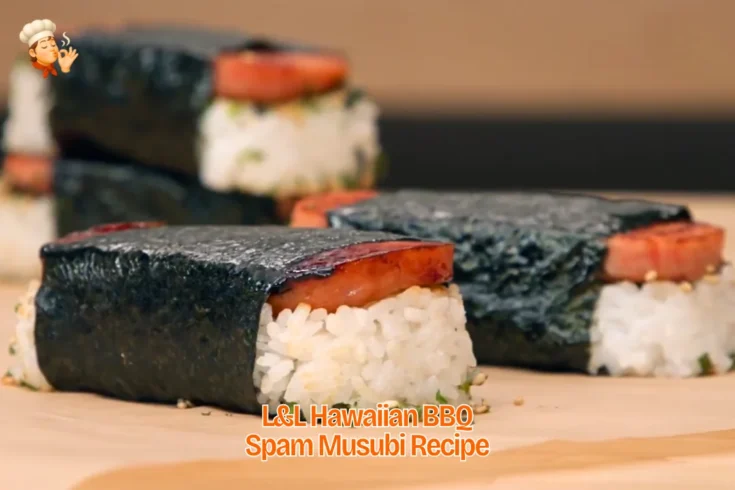
Make this L&L Hawaiian BBQ Spam Musubi Recipe at home with browned Spam, sweet-savory glaze, sticky sushi rice, furikake, and nori. This easy Hawaiian Spam musubi takes about 40 minutes and makes 8 pieces with that familiar L&L restaurant-style flavor. I’ll show you how to mold each musubi neatly using the empty Spam can, so you do not need special equipment. Serve your L&L Spam Musubi copycat with Hawaiian macaroni salad, BBQ chicken, fresh fruit, or cucumber salad for a satisfying meal.
Ingredients
For the rice
- 2 cups Japanese short-grain sushi rice
- 2 cups water
For the sweet-savory Spam glaze
- 1 can Spam, 12 oz
- 2 tablespoons soy sauce
- 1 tablespoon oyster sauce
- 1 teaspoon sesame oil
- 1 tablespoon packed brown sugar
- 1 teaspoon neutral cooking oil, for frying
For assembly
- 2 sheets nori, cut into 8 strips, approximately 1½–2 inches wide each
- 2–3 tablespoons furikake, or enough to lightly sprinkle over the rice
- Plastic wrap
Instructions
- Place the sushi rice in a bowl and rinse it thoroughly with cold water, changing the water several times until the water becomes noticeably clearer. Drain well.
- Transfer the rice to a saucepan and add 2 cups of water. Bring the rice and water to a boil over medium-high heat. As soon as it reaches a boil, reduce the heat to low, cover tightly, and cook for about 20 minutes. Remove from the heat and let the rice sit covered for another 5 minutes so the grains finish steaming and firm up enough for molding.
- While the rice cooks, combine 2 tablespoons soy sauce, 1 tablespoon oyster sauce, 1 teaspoon sesame oil, and 1 tablespoon packed brown sugar in a small bowl. Stir until the brown sugar is mostly dissolved and the mixture is evenly combined.
- Open the Spam and reserve the empty can for molding the musubi later. Remove the Spam from the can and cut it in half lengthwise. Cut each half in half again, then divide each of those sections in half to create 8 equal pieces.
- Heat a large skillet over medium heat and add about 1 teaspoon of neutral cooking oil. Place the 8 Spam slices in the skillet in a single layer. Spam already contains plenty of fat, so only a small amount of additional oil is needed. Cook until the first side is nicely browned and crisp around the edges, turning the pieces as necessary for even browning.
- Once the Spam is seared, brush the sweet-savory glaze generously over the exposed side of each piece. Allow the glazed side to cook in the skillet until the sauce becomes glossy, sticky, and slightly caramelized. The brown sugar will begin to cook onto the surface and create a lightly crisp coating. Watch carefully because the sugar can burn quickly.
- Turn each Spam piece over and brush the newly exposed side with more glaze. Continue cooking briefly until the second side is browned and caramelized. The two sides do not need to have exactly the same level of caramelization; having one side more deeply glazed and crisp gives the Spam a nice contrast of texture and flavor. Remove the Spam from the skillet once the pieces are browned, sticky, and cooked through.
- Clean and dry the empty Spam can. Line the inside of the can with a piece of plastic wrap, leaving enough plastic wrap hanging over the sides to lift the finished musubi out easily. Smooth the plastic against the inside walls so the rice will form a compact rectangular shape.
- Place one glazed Spam slice into the bottom of the plastic-lined can. Position the better-looking caramelized side downward so it will become the visible top of the musubi after the mold is inverted.
- Spoon a portion of the warm sushi rice into the can over the Spam. Use the back of a spoon to press the rice down firmly and evenly. Compress the rice enough that it holds together as a solid block, but do not mash it into a paste. Fill the mold until the rice reaches approximately the top of the Spam slice.
- Sprinkle a light, even layer of furikake over the rice. The mixture of seaweed, seeds, and other savory ingredients adds saltiness, nuttiness, and texture while complementing the glazed Spam. Use enough to season the rice without creating a thick layer that makes the musubi difficult to compress.
- Fold the plastic wrap over the top of the rice and press down firmly to compact everything together. Lift the plastic-wrapped musubi out of the can. Gently tighten the plastic wrap around the musubi and press the sides into a neat rectangular shape.
- Place one strip of nori on a work surface with the rough side facing upward, since the rough side should contact the rice. Place the molded Spam-and-rice block in the center of the nori and wrap the nori around the musubi. Press the nori firmly against the rice so it adheres.
- Repeat the process with the remaining 7 Spam slices, rice, furikake, and nori. Wrap each finished musubi tightly in plastic wrap if transporting them. Allowing the musubi to rest while wrapped helps the rice hold its rectangular shape and gives the glaze time to mingle with the rice. Serve at room temperature or slightly warm.
Nutrition Information:
Serving Size:
1 musubiAmount Per Serving: Calories: 280
This L&L Hawaiian BBQ Spam Musubi Recipe is one I like making when I want that sweet-salty restaurant bite without leaving home. The browned Spam, sticky rice, furikake, and nori really do the job.
Keep this L&L Spam Musubi copycat handy for lunch boxes, quick snacks, or whenever Hawaiian Spam musubi sounds better than takeout.