A good pie crust can make all the difference, but finding one that’s both easy to make and reliable isn’t always as simple as it sounds. I tried plenty of traditional recipes over the years, and while some tasted great, they often took more time and effort than I wanted for an everyday homemade pie.
Then I came across Brenda Gantt Pie Crust Recipe. Its simple mixing method immediately caught my attention because it skips the rolling and chilling that many classic recipes require.
After making it myself, I understood why so many home bakers swear by it. The dough comes together quickly, presses easily into the pan, and bakes into a tender crust that works beautifully with both baked and no-bake pies.
Today, I’m sharing this Brenda Gantt Pie Crust Recipe along with a few helpful tips I learned while making it, so you can enjoy the same simple Southern-style pie crust in your own kitchen.

What Flour Should I Use for This Pie Crust
Use White Lily all-purpose flour for the best results, and make sure it is not self-rising. That’s the key. This flour is softer and lower in protein than many other brands, which gives the crust a more tender, delicate texture.
I’ve tested this recipe with regular all-purpose flour too, like Gold Medal, and while it still works, the crust comes out slightly firmer. It’s not bad—just a bit less soft.
If White Lily is available, it’s worth using because it matches the original Southern style more closely.
Avoid self-rising flour completely. It contains baking powder and salt, which will cause the crust to puff and change the texture. This dough is meant to stay flat, tender, and slightly crumbly—not airy or biscuit-like.
Perfect For
Fresh Summer Fruit Pies – The soft, pressed crust pairs perfectly with fresh peaches, blueberries, strawberries, or apples without taking extra time to prepare.
Sunday Family Desserts – A dependable choice when you’re baking a homemade pie to share after dinner with family and friends.
No-Bake Cream Pies – Bake the crust until lightly golden, let it cool, then fill it with banana cream, chocolate, coconut, or lemon filling.
Holiday Baking Days – Easy enough to make alongside several pies for Thanksgiving, Christmas, or Easter when the kitchen is already busy.
Beginning Home Bakers – A great recipe if rolling out pie dough has always felt frustrating. Just press it into the pan with your fingers and bake.
Make-Ahead Freezer Dough – Since the recipe makes enough for two crusts, you can save one for your next pie and have homemade dough ready whenever you need it.
Brenda Gantt Pie Crust Ingredients
1½ cups all-purpose flour – I like using White Lily all-purpose flour because it gives the crust a softer texture. If you use another all-purpose flour, the recipe will still work. Just be sure it’s not self-rising, or the crust won’t bake the way it should.
2 tablespoons granulated sugar – A small amount of regular white sugar adds just enough sweetness to balance the crust. It won’t make the dough taste overly sweet, but it helps create a better flavor with fruit, cream, or custard pie fillings.
1½ teaspoons salt – Salt brings out the flavor of every ingredient in the dough. It also keeps the crust from tasting plain, especially since this recipe uses only a handful of simple pantry staples.
3½ tablespoons whole milk – Whole milk adds moisture and helps bring the dough together. It also gives the finished crust a softer bite than using water, making it easier to press into the pie plate without cracking.
½ cup oil or ½ cup (1 stick) melted butter – Vegetable oil makes the dough soft and easy to work with, while melted butter adds a richer, homemade flavor. Both work well, so you can choose whichever fits the pie you’re making.
1–2 teaspoons additional all-purpose flour, if needed – Keep a little extra flour nearby in case the dough feels sticky. Usually only a small sprinkle is enough, and adding too much can make the finished crust dry instead of tender.
Required Kitchen Equipment
- Tall-sided pie plate – This is important because you can mix everything right in the dish. It keeps things simple and cuts down on cleanup. If your pie plate is shallow, use a mixing bowl instead.
- Mixing spoon – Used to bring the dough together at the start. A sturdy spoon works best since the dough gets thick quickly.
- Your hands – This recipe depends on feel. Your hands help you know when the dough is just right—soft but not sticky.
- Measuring cups and spoons – Accurate measurements keep the dough balanced, especially with liquid and fat.
- Fork (for pre-baking) – Used to prick the crust so it doesn’t bubble up in the oven when baked without filling.
How To Make Brenda Gantt Pie Crust at Home
Step 1 – Combine the Dry Ingredients
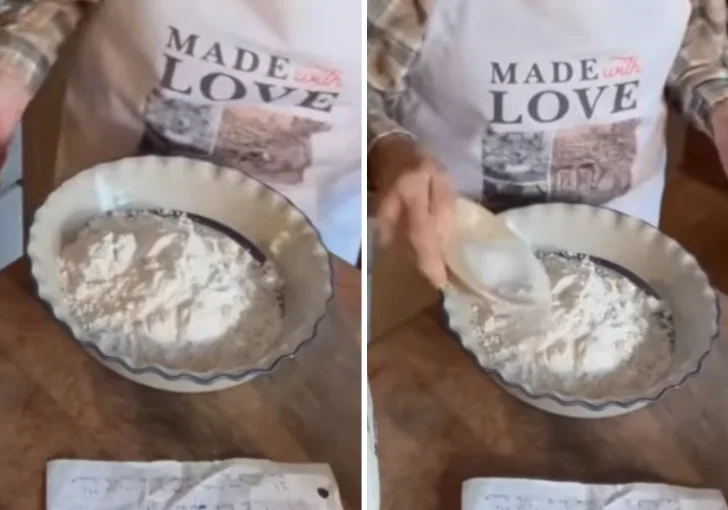
Add the all-purpose flour directly to a tall-sided pie plate. Add the granulated sugar and salt, then stir the dry ingredients together until evenly combined.
Step 2 – Add the Wet Ingredients
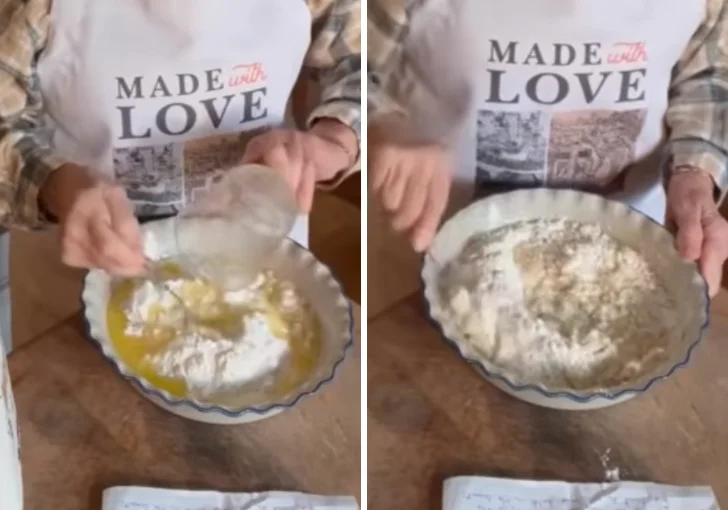
Pour the whole milk into the flour mixture. Add the oil or melted butter and begin mixing with a spoon until the ingredients start coming together into a soft dough.
Step 3 – Mix the Dough by Hand
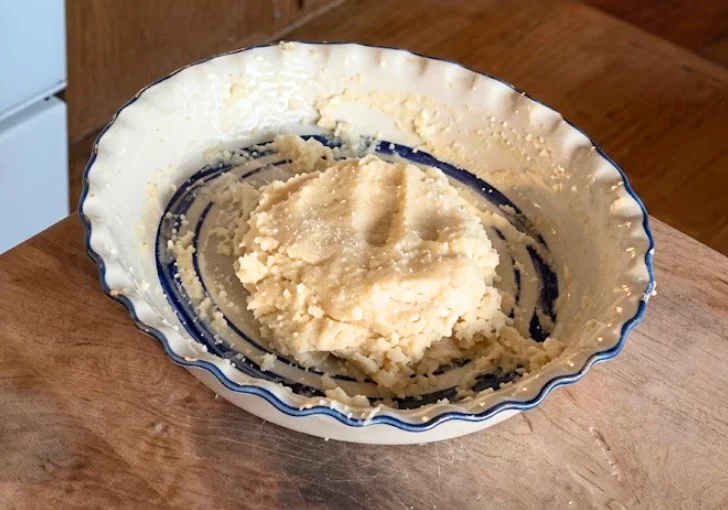
Switch to mixing with your hands once the dough begins to form. Gently work everything together until no dry flour remains.
Step 4 – Adjust the Dough Consistency
Check the texture of the dough. If it feels sticky, sprinkle in a very small amount of additional all-purpose flour, about a teaspoon at a time, and continue kneading gently after each addition. The finished dough should be slightly stiff, soft, and easy to handle without sticking to your fingers. Avoid adding too much flour, as only a small amount is usually needed.
Step 5 – Divide the Dough
Divide the dough into two equal portions if making two pie crusts. Reserve one portion for another pie by wrapping and refrigerating or freezing until needed.
Step 6 – Press the Dough into the Pie Plate
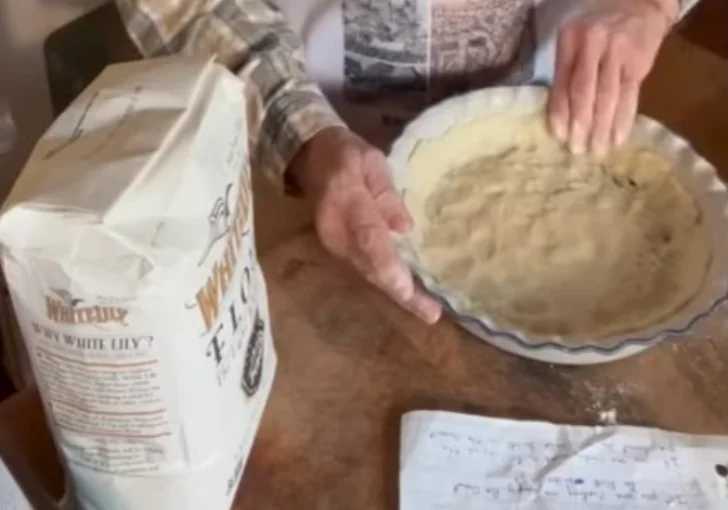
Place one portion of dough into the pie plate. Using your fingers, press it evenly across the bottom and gradually work it up the sides of the pan. Continue pressing until the crust is an even thickness with no cracks or thin spots. No rolling pin is required.
Baking Instructions
For a Filled Pie
If adding a filling before baking, do not prick the crust. Bake according to the temperature and baking time required by the filling recipe.
For a Pre-Baked Pie Crust
If baking the crust by itself, prick the bottom several times with a fork to prevent bubbling.
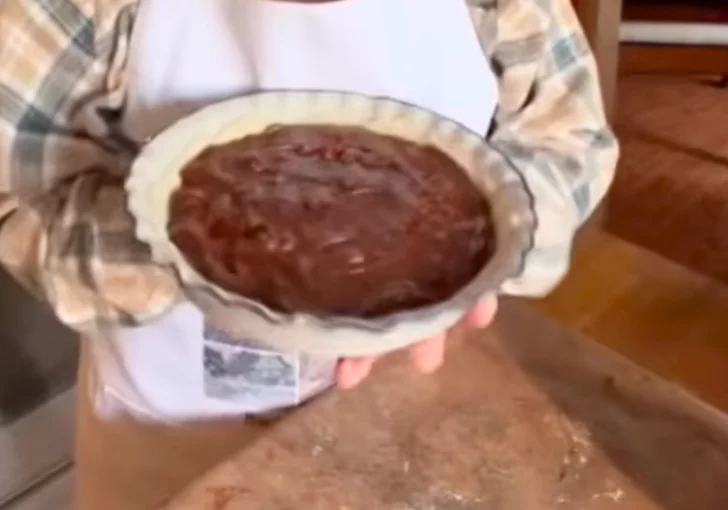
Bake at 375°F (190°C) for 20–25 minutes, or until lightly golden. Allow the crust to cool completely before adding a no-bake filling.
Tips and Notes for Perfect Southern Style Brenda Gantt Pie Crust
Stick with all-purpose flour. I recommend White Lily All-Purpose Flour if you can find it because it gives the crust a softer texture. Don’t use self-rising flour here. The added leavening will make the crust puff instead of staying flat and tender.
A deep pie plate makes mixing much easier. One thing I like about this recipe is that you can mix everything right in a tall-sided pie plate, which means fewer dishes to wash. If your pie plate is shallow, simply mix the dough in a medium bowl before transferring it.
Only add extra flour if the dough actually needs it. On humid days I sometimes need an extra teaspoon, but on dry days I don’t add any at all. The dough should feel soft and easy to handle without sticking to your hands.
Take your time when pressing the dough into the pan. I like to start from the center and slowly work toward the edges. Pressing gently creates an even thickness, which helps the entire crust bake evenly without thin spots becoming too crisp.
Save the second dough for another baking day. Since this recipe makes enough for two crusts, I usually wrap the extra portion tightly and freeze it. Having homemade pie dough ready to go makes baking a quick pie much easier later on.
Mistakes To Avoid While Making Brenda Gantt Pie Crust
Using self-rising flour instead of all-purpose. I tried this once just to see the difference, and the crust puffed up more like a biscuit than a pie crust. Regular all-purpose flour is the right choice every time.
Adding too much extra flour. It can be tempting if the dough feels soft, but too much flour makes the baked crust dry instead of tender. I add only a little at a time and stop as soon as the dough is easy to handle.
Pressing the dough too thin around the edges. Thin edges brown much faster than the center and can become crisp before the pie is done. I always check that the thickness looks even all the way around.
Forgetting to prick the crust when baking it empty. If I’m making a cream pie, I always use a fork to poke a few holes in the bottom. It helps the crust stay flat instead of bubbling up in the oven.
What To Serve with This Brenda Gantt Pie Crust
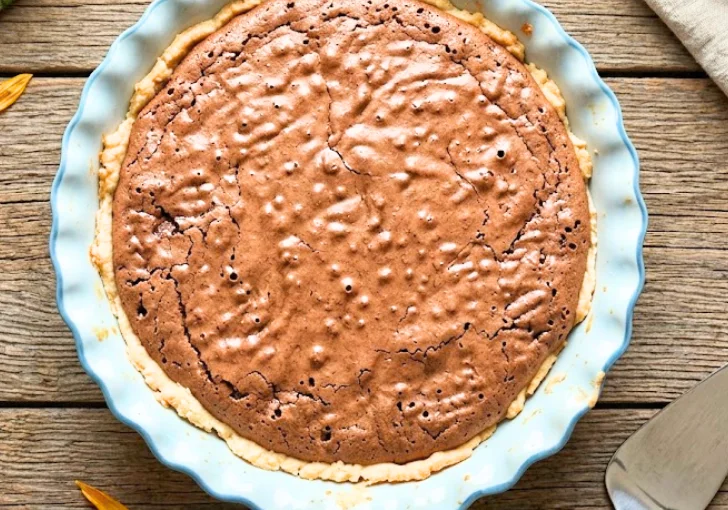
Classic Apple Pie – Fresh apple filling with cinnamon is always my first choice for this crust. The crust stays sturdy enough to hold the juicy filling while still slicing cleanly, especially when served slightly warm with a scoop of vanilla ice cream.
Banana Cream Pie – If you’re looking for something cool and creamy, this crust works wonderfully with homemade banana cream filling. Let the crust cool completely before filling so every slice stays neat and doesn’t turn soft underneath.
Coconut Cream Pie – The mild flavor of this crust lets a rich coconut filling stand out without competing. Top it with fresh whipped cream and toasted coconut flakes for a simple dessert that’s always welcome at family dinners.
Chicken Pot Pie – This dough isn’t just for desserts. Fill it with creamy chicken, vegetables, and herbs for a hearty dinner that bakes into a golden, homemade meal everyone will be ready to dig into.
Spinach and Cheese Quiche – You can also use this crust for brunch. It bakes up nicely with eggs, spinach, cheddar, and bacon, giving you an easy make-ahead dish that’s just as good warm as it is at room temperature.
Leftover, Reheating Process and Make Ahead Tips
Leftover
If you have a baked pie crust left over, let it cool completely before storing it. Wrap it tightly with plastic wrap or place it in an airtight container to keep it from drying out.
It can stay at room temperature for up to 2 days or in the refrigerator for up to 5 days. If the crust is already filled with a pie filling, follow the storage instructions for that particular pie.
Reheating Process
A pre-baked pie crust doesn’t need much reheating, but if you’d like to freshen it up, place it in a 350°F oven for 5 to 8 minutes. This helps bring back a lightly crisp texture. I avoid using the microwave because it softens the crust instead of keeping it lightly crisp.
Make Ahead Tips
This recipe is perfect for making ahead since it yields two crusts. I usually wrap the extra dough tightly in plastic wrap and keep it in the refrigerator for up to 3 days.
For longer storage, freeze it for up to 2 months. Thaw the dough overnight in the refrigerator, then let it sit on the counter for about 10 to 15 minutes so it’s easier to press into the pie plate.
FAQs
Why doesn’t this pie crust use cold butter like most traditional recipes?
That’s simply how Brenda Gantt makes it. This is a Southern-style pressed pie crust, so the oil or melted butter mixes directly into the flour instead of being cut into small pieces. The result is a tender crust that’s much quicker to make and doesn’t require chilling before baking.
My dough feels crumbly instead of smooth. What should I do?
Before adding more milk, squeeze a handful of dough together. If it holds its shape, it’s ready. If it falls apart, add just a teaspoon of milk, mix again, and check the texture. A little extra liquid goes a long way.
Can I mix the dough in a regular mixing bowl instead of the pie plate?
Yes. I actually do this whenever I’m using a standard pie plate with lower sides. Once the dough comes together, simply transfer it to the pan and press it into place the same way.
Should I choose oil or melted butter?
I’ve made it both ways, and each has its own advantage. Oil makes the dough softer and easier to press into the pan, while melted butter adds a richer flavor that I especially like for apple, pecan, and peach pies.
How do I know I’ve pressed the crust evenly?
Run your fingertips around the bottom and sides before baking. If you notice thick spots near the rim or thin places in the corners, smooth them out now. An even layer helps the whole crust bake at the same rate.
Can I use this recipe for both sweet and savory pies?
Yes. The small amount of sugar doesn’t make the crust taste like dessert. I’ve used it for chicken pot pie and quiche, and it still turns out balanced without tasting overly sweet.
Brenda Gantt Pie Crust Recipe (Southern No-Roll Pie Crust)
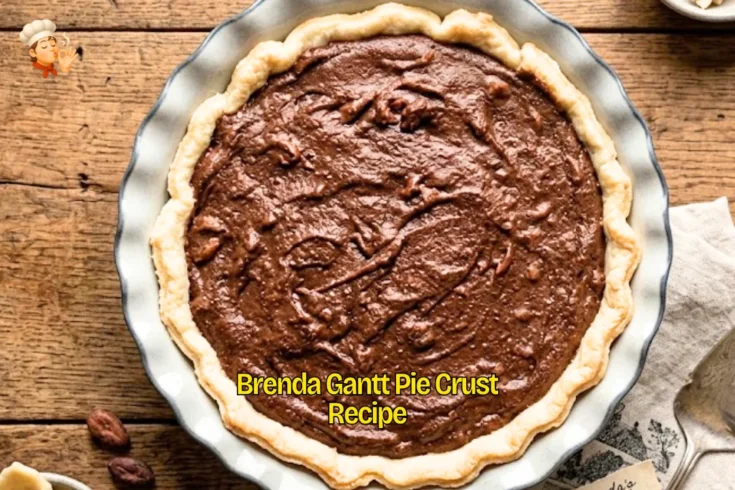
A homemade pie doesn't have to start with a complicated dough. This Brenda Gantt Pie Crust Recipe uses a simple Southern method that's quick to mix, easy to press into the pan, and reliable enough for everyday baking. I was surprised by how tender the crust turned out with so little effort. It's a great choice for both new and experienced bakers. Add your favorite fruit, custard, or savory filling, and you'll have a pie that's ready to share with family and friends.
Ingredients
- 1½ cups all-purpose flour (such as White Lily all-purpose flour; do not use self-rising flour)
- 2 tablespoons granulated sugar
- 1½ teaspoons salt
- 3½ tablespoons whole milk
- ½ cup oil or ½ cup (1 stick) melted butter
- About 1–2 teaspoons additional all-purpose flour, if needed, to adjust the dough consistency
Instructions
- Add the all-purpose flour directly to a tall-sided pie plate. Add the granulated sugar and salt, then stir the dry ingredients together until evenly combined.
- Pour the whole milk into the flour mixture. Add the oil or melted butter and begin mixing with a spoon until the ingredients start coming together into a soft dough.
- Switch to mixing with your hands once the dough begins to form. Gently work everything together until no dry flour remains.
- Check the texture of the dough. If it feels sticky, sprinkle in a very small amount of additional all-purpose flour, about a teaspoon at a time, and continue kneading gently after each addition. The finished dough should be slightly stiff, soft, and easy to handle without sticking to your fingers. Avoid adding too much flour, as only a small amount is usually needed.
- Divide the dough into two equal portions if making two pie crusts. Reserve one portion for another pie by wrapping and refrigerating or freezing until needed.
- Place one portion of dough into the pie plate. Using your fingers, press it evenly across the bottom and gradually work it up the sides of the pan. Continue pressing until the crust is an even thickness with no cracks or thin spots. No rolling pin is required.
- For a Filled Pie: If adding a filling before baking, do not prick the crust. Bake according to the temperature and baking time required by the filling recipe.
- For a Pre-Baked Pie Crust: If baking the crust by itself, prick the bottom several times with a fork to prevent bubbling. Bake at 375°F (190°C) for 20–25 minutes, or until lightly golden. Allow the crust to cool completely before adding a no-bake filling.
Nutrition Information:
Serving Size:
8 slices per baked 9-inch pie crustAmount Per Serving: Calories: 185
If you’re looking for a pie crust that’s simple enough to make on a busy day but still tastes like it came from a family recipe box, this Brenda Gantt Pie Crust Recipe is one I’d happily make again. The easy press-in method takes away the stress without giving up that homemade texture I want in every pie.
Whether you’re baking for a holiday or a weekend dessert, this copycat Brenda Gantt pie crust recipe is a reliable one to keep within easy reach.