I had some leftover rice in the refrigerator the other day and thought about how easily it can turn into a good homemade dessert. That is what makes this Brenda Gantt Rice Pudding Recipe so appealing.
I always wanted to make this Southern rice pudding because Brenda shares a simple way to use cooked rice with eggs, milk, sugar, vanilla, and raisins to make the kind of old-fashioned rice pudding many of us remember from childhood.
What I like most about this rice pudding recipe is that you do not have to follow every measurement to the letter. Brenda explains that you can adjust the sugar to your taste, choose dark or golden raisins, and use leftover rice instead of cooking a fresh batch.
The trick is knowing when to take the pudding out of the oven. You want the egg custard to have a slight jiggle in the center because it will continue to set as it rests.
Today, I’m sharing most popular version of Brenda Gantt’s baked rice pudding recipe, with clear measurements and simple steps to help you get that soft, creamy texture. Serve it warm after Sunday dinner or enjoy a chilled bowl with your afternoon coffee.
Either way, this Southern-style rice pudding is a lovely way to make something special from ingredients you already have in your kitchen.

What Kind of Rice Works Best for This Brenda Gantt Rice Pudding
Plain, fully cooked long-grain white rice works best, and leftover rice is the ideal choice. It’s drier and firmer than fresh rice, so it soaks up the custard without turning mushy.
I’ve also had great results with medium-grain rice, which gives a slightly creamier bite. Jasmine and basmati work in a pinch, though they add a mild floral note.
Skip any rice cooked with salt-heavy seasoning, butter, or oil, since those flavors fight the vanilla. Brown rice also works, but the pudding will be chewier and a bit earthier.
Perfect For
Leftover Rice Days – Turn yesterday’s cooked rice into a warm, creamy dessert instead of letting it sit forgotten in the fridge.
Sunday Family Dinners – Serve a dish of old-fashioned rice pudding after fried chicken, roast chicken, or your favorite Southern meal.
Holiday Dessert Tables – Set it beside homemade pies, cobblers, and cookies for a simple dessert that feels right at home.
Afternoon Coffee Breaks – Spoon some warm rice pudding into a bowl and enjoy it with a fresh cup of coffee.
Cooking with the Kids – Let them help measure the sugar, stir in the rice, and add their favorite amount of raisins.
Make-Ahead Desserts – Bake it earlier in the day, chill the leftovers, and enjoy another bowl straight from the fridge.
Simple Pantry Desserts – Eggs, milk, sugar, rice, and vanilla are all you need to make this comforting Southern favorite.
Brenda Gantt Rice Pudding Ingredients
2 cups cooked rice, preferably leftover rice – Cold, day-old rice holds its shape in the custard. Plain long-grain white rice is my go-to. If you only have fresh rice, spread it on a plate for 15 minutes first so it loses some steam.
4–5 large eggs – Brenda’s video uses three extra-large double-yolk eggs, which works out to about four to five regular eggs. Eggs are what turn the milk into custard. Don’t go over five, or the pudding turns thick and a little eggy.
2 cups milk (whole or 2%) – Whole milk gives the richest, creamiest result. 2% works well too. Skim milk makes a thinner pudding, so I’d avoid it. For a dairy-free version, use full-fat oat milk.
¾ cup granulated sugar – This gives a moderately sweet pudding. Use ½ cup if you like it milder, or go up to 1 cup for a sweeter dessert. Plain white sugar dissolves cleanly, but light brown sugar adds a nice caramel note.
1 teaspoon vanilla extract – Pure vanilla tastes best here, since the custard is simple and the vanilla shows. Imitation vanilla works if that’s what you have.
½–1 cup raisins, dark or golden – These are added by eye, so go with your taste. Dark raisins are deeper and tangier, while golden raisins are sweeter and softer. Dried cranberries or chopped dates can stand in.
1–2 tablespoons butter, cut into small pats – The butter melts into the top as the pudding bakes, adding richness and a lightly golden surface. Salted or unsalted both work.
Kitchen Equipment You’ll Need
- Medium casserole or baking dish (about 1½–2 quarts). An 8×8-inch dish works too. You want the mixture to sit a couple of inches deep with room to spare at the top. Greasing is optional.
- Medium mixing bowl. Large enough to whisk the eggs and milk without splashing.
- Whisk or fork. A whisk blends the eggs and sugar faster, but a fork does the job.
- Measuring cups and spoons. Because the custard ratio matters, level your measurements.
- Food thermometer. This is how you confirm the custard reaches 160°F (71°C), the safe temperature for egg dishes.
- Oven mitts. The dish is hot and heavy once it’s full of custard.
How To Make Brenda Gantt Rice Pudding at Home
Step 1 | Preheat the Oven
Preheat the oven to 375–400°F (190–200°C). Choose a medium-sized casserole or baking dish that can hold the rice mixture with some room at the top. The original method uses an ungreased casserole dish, so greasing is optional.
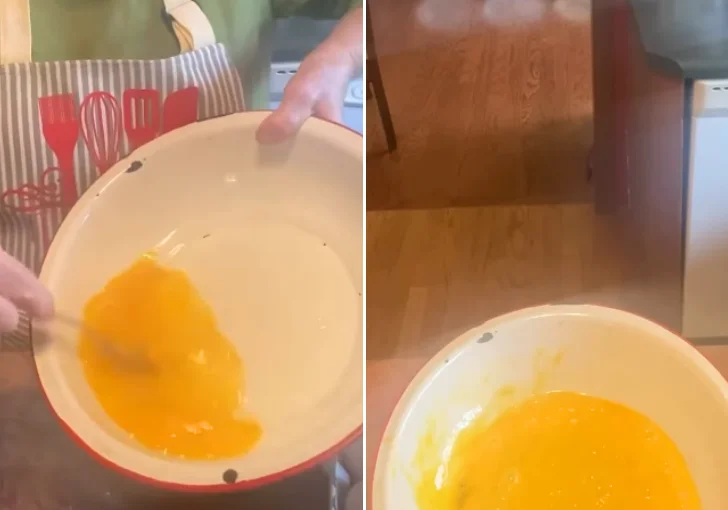
Step 2 | Beat the Eggs
Crack the eggs into a medium mixing bowl and beat well with a whisk or fork until the yolks and whites are fully combined. Use four to five regular large eggs, taking care not to add too many, as too much egg can make the custard overly thick.
Step 3 | Mix in the Sugar
Add the granulated sugar to the beaten eggs. Whisk until the sugar is evenly mixed into the egg mixture. Use ¾ cup for a moderately sweet pudding, reduce it to ½ cup for a milder sweetness, or increase it to 1 cup if you prefer a sweeter dessert.
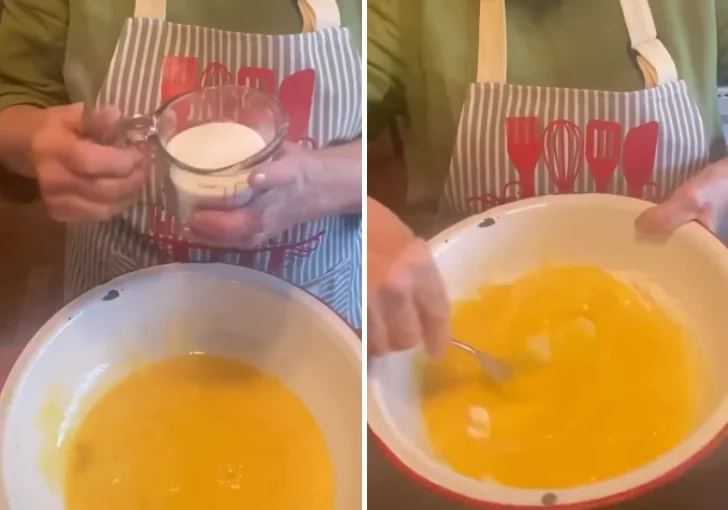
Step 4 | Add the Milk
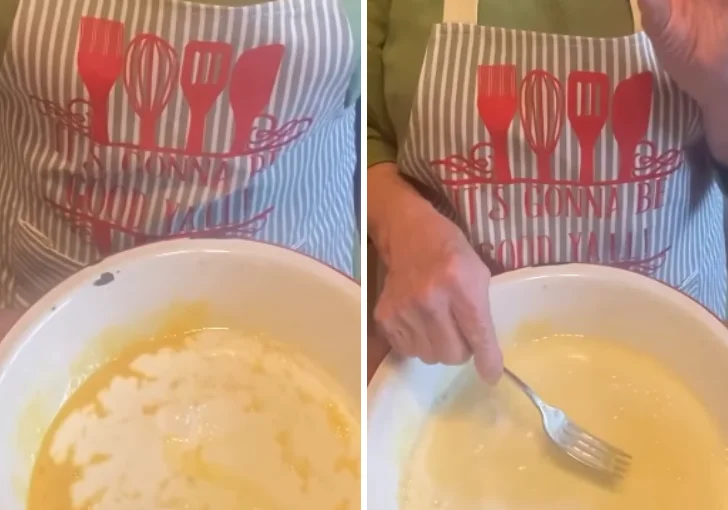
Pour 2 cups of milk into the egg and sugar mixture. Whisk until everything is blended into a smooth custard base. Whole milk gives the pudding a richer taste, while 2% milk also works well.
Step 5 | Stir in the Cooked Rice
Add 2 cups of cooked rice to the custard mixture and stir gently until the rice is evenly distributed. The pudding should contain plenty of custard around the rice rather than feeling packed with grains. If the mixture looks too thick, avoid adding extra rice.
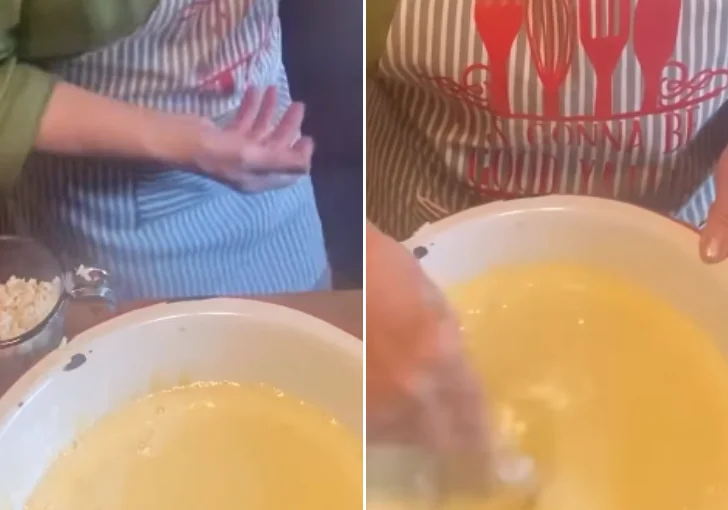
Step 6 | Add the Vanilla Extract
Pour in 1 teaspoon of vanilla extract and stir until it is mixed throughout the pudding. Add the vanilla before the raisins so the flavor spreads evenly through the custard.
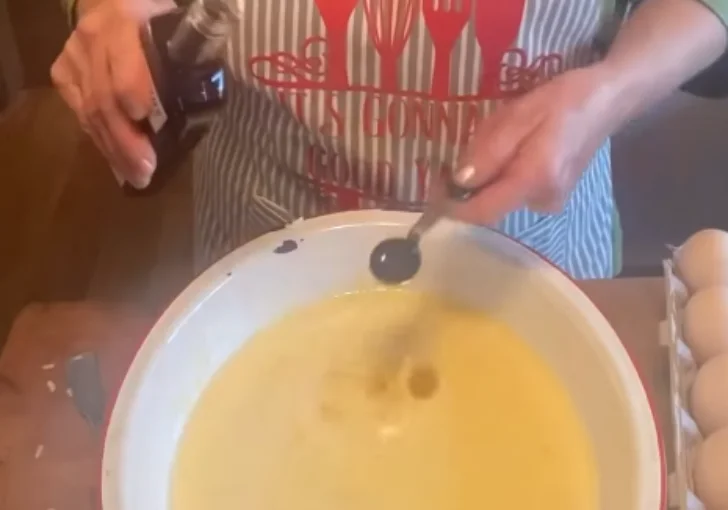
Step 7 | Fold in the Raisins
Add ½–1 cup of dark or golden raisins, depending on how much fruit you prefer. Stir gently to distribute them throughout the mixture. Use less for a mild raisin flavor or more if you enjoy getting raisins in most spoonfuls.
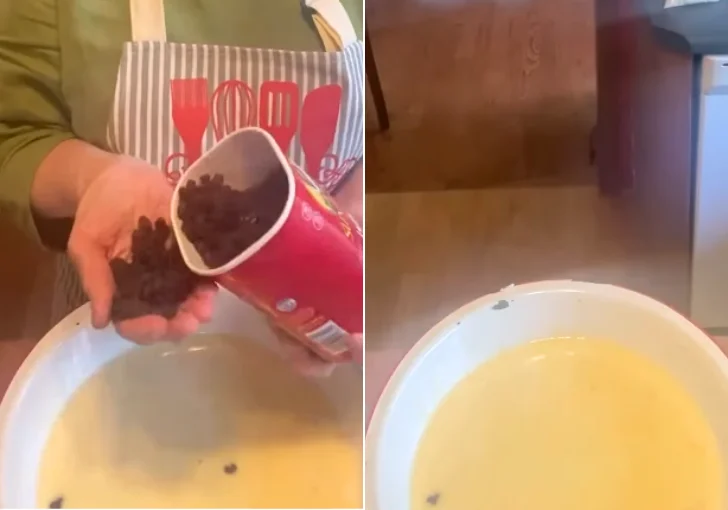
Step 8 | Add the Butter
Pour the rice pudding mixture into the casserole dish. Scatter 1–2 tablespoons of butter, cut into small pats, over the surface. The butter melts as the pudding bakes and adds richness to the custard.
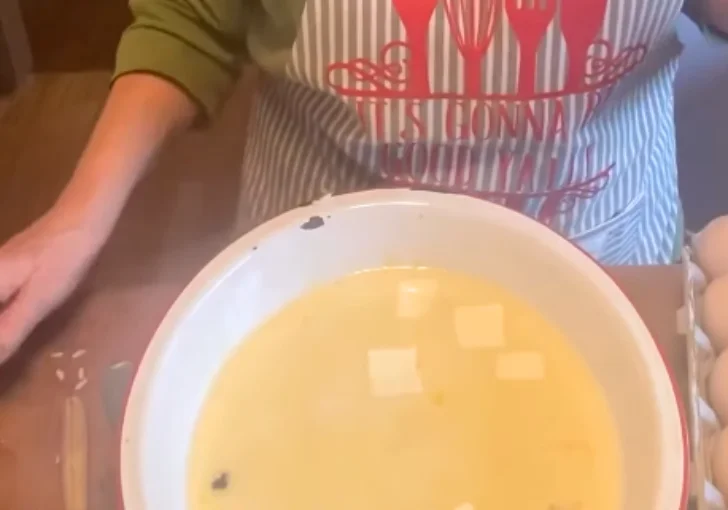
Step 9 | Bake the Rice Pudding
Place the casserole dish in the preheated oven and bake for approximately 30–35 minutes. Begin checking around the 30-minute mark, as the exact time depends on the dish and oven temperature. The pudding is ready when the edges are set but the center still has a slight jiggle.
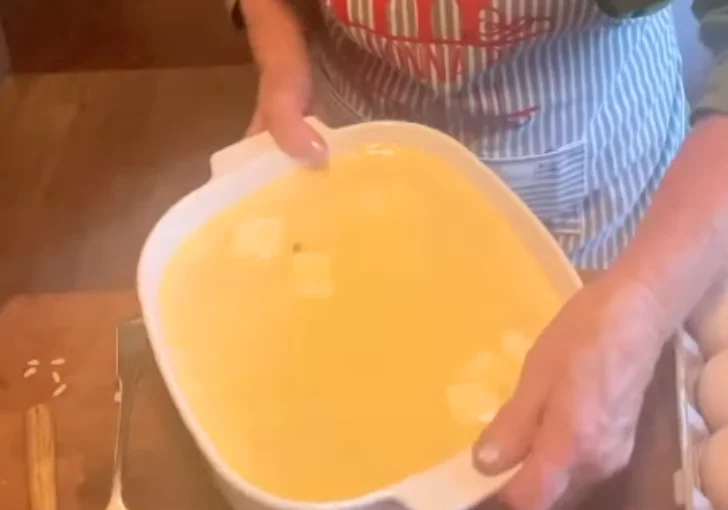
Step 10 | Check the Custard and Remove from the Oven
Gently move the casserole dish to check the center. The pudding should look soft and custardy, not firm all the way through. Remove it from the oven when the center has a slight jiggle and the custard is mostly set. For food safety, the egg mixture should reach 160°F (71°C) in the center; check with a food thermometer.
Step 11 | Let the Pudding Rest
Allow the rice pudding to rest for several minutes before serving. The custard continues to set as it cools, giving the pudding a creamy texture with tender rice throughout. Avoid baking it until completely firm, as the pudding will become less creamy as it stands.
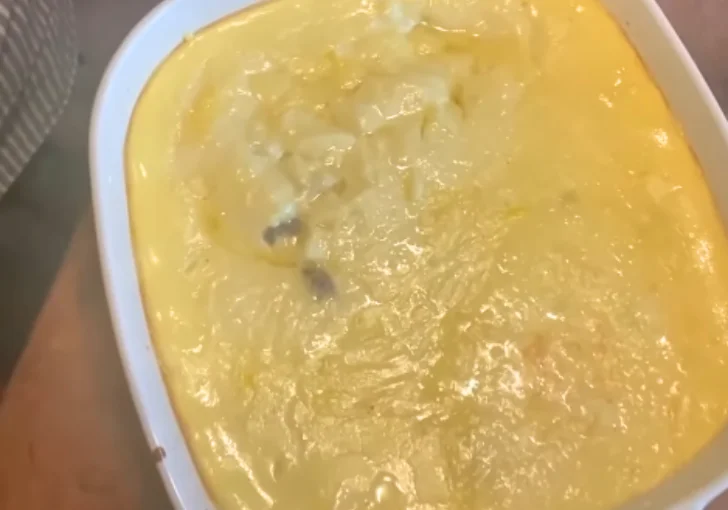
Step 12 | Serve the Rice Pudding
Spoon the warm rice pudding into individual bowls and serve while it is still soft and creamy. Each serving should have tender rice, plump raisins, and plenty of egg custard. Adjust the sweetness in your next batch to suit your taste, and refrigerate any leftovers within two hours.
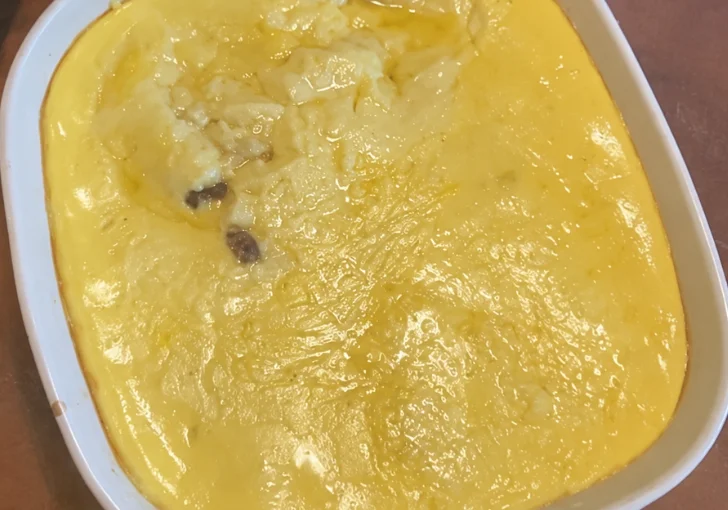
Tips & Notes for Making Custardy Brenda Gantt Rice Pudding
- Pull it out while the center jiggles. The custard finishes setting on the counter. Baking until rock solid is the most common way to dry it out.
- Go easy on the rice. Two cups is plenty. More rice means less custard, and the pudding loses its creaminess.
- Use room-temperature milk and eggs if you can. They blend more smoothly and bake more evenly.
- Whisk the eggs and sugar first. This helps the sugar dissolve so the pudding isn’t gritty.
- Break up cold rice clumps. Use your fingers or a fork so the grains spread out in the custard.
- Rotate the dish halfway if your oven has hot spots. It keeps the edges from overbaking.
- Taste your sweetness level. Make a note of whether ½, ¾, or 1 cup of sugar suits your family best.
Can You Use Freshly Cooked Rice Instead of Leftover Rice
Yes, freshly cooked rice works just as well as leftover rice to make this delicious rice pudding. Cook the rice fully, then measure 2 cups after cooking.
Let it stop steaming before mixing it with the eggs and milk, but do not leave it at room temperature for an extended period. Cooked rice can support the growth of harmful bacteria if it is left out too long.
For the safest results, cool rice promptly, refrigerate it within two hours, and use properly stored rice.
Mistakes to Avoid When Making Brenda Gantt Rice Pudding
Adding too many eggs. Six eggs sound harmless, but they push the texture from silky to dense and eggy. Stick to four or five for a soft, spoonable custard.
Overbaking. If the center is firm in the oven, it will be dry on the table. You want a gentle jiggle, then a short rest.
Using too much rice. Past 2 cups, it eats like a rice casserole, not a pudding. The custard should hug every grain.
Skipping the thermometer. It’s easy to guess, but a quick check at 160°F (71°C) keeps the pudding safe without drying it out.
Over-sweetening on the first try. A full cup of sugar tastes like candy next to the raisins. Start at ¾ cup, then adjust next time.
Using cold milk straight from the fridge with warm rice. It can make the batter uneven. Let the milk sit out for a bit if you can.
What to Serve With Brenda Gantt Rice Pudding
Fresh Berries and Sliced Peaches – Cut up some strawberries, blueberries, or ripe peaches and serve them beside your rice pudding. The fresh fruit gives you something cool and juicy between spoonfuls of the sweet custard and raisins.
A Cup of Afternoon Coffee – Brenda enjoys her rice pudding with coffee, and it makes a nice pairing after lunch. Pour your usual cup, grab a small bowl of warm pudding, and take a quiet break before getting on with your day.
Old-Fashioned Butter Cookies – Put two or three crisp butter cookies on the side of each bowl. Their dry, crumbly texture goes well with the soft pudding, especially when you dip a corner into the custard while it is still warm.
Roasted Chicken Dinner – After a family meal of roasted chicken, green beans, and warm bread, serve rice pudding in small dessert bowls. It gives everyone a sweet finish without asking you to bake a pie or prepare another complicated dish.
A Little Ground Cinnamon – Sprinkle a pinch of cinnamon over each serving just before it reaches the table. It works nicely with the vanilla and raisins, especially when the pudding is warm. Start lightly so the spice does not take over the custard.
Leftovers, Freeze & Reheating Instruction
Leftover storage
Transfer leftover rice pudding to a clean, covered container and refrigerate it within two hours of baking. Keep the refrigerator at 40°F (4°C) or below and eat the pudding within 3–4 days. Do not leave it sitting on the counter overnight.
Freezing
You can freeze rice pudding in an airtight, freezer-safe container for about 1–2 months for best quality. Leave a little room for expansion and label the container with the date. The custard may separate slightly after thawing, so the texture may not be quite as smooth as when freshly baked.
Reheating
Thaw frozen pudding in the refrigerator rather than on the counter. Warm a serving in the microwave in short intervals, stirring between each one. Add a small splash of milk if the rice has absorbed too much moisture. Reheat leftovers to 165°F (74°C), and only warm the portion you plan to eat.
FAQs
Can I make Brenda Gantt Rice Pudding without raisins?
Yes. You can leave the raisins out completely and follow the rest of the recipe as written. The pudding will still have a creamy egg custard and tender rice. If you prefer a little extra flavor, add a light sprinkle of cinnamon when serving.
Why is my baked rice pudding watery?
Rice pudding can look watery if the custard has not set fully or the rice contains excess moisture. Make sure you use fully cooked rice and bake until the center reaches 160°F (71°C). Let the pudding rest for several minutes before serving so the custard has time to firm up.
Can I use brown sugar instead of white sugar?
Yes, although it will change the flavor. Brown sugar adds a deeper, slightly molasses-like taste and may give the pudding a darker color. Use the same amount to start, then adjust the sweetness in a future batch if needed.
Should I cover the rice pudding while it bakes?
The supplied method does not require a cover, so bake it uncovered. This allows the top to cook naturally as the custard sets. Check it toward the end of the cooking time, since the exact baking time depends on the depth of your casserole dish and your oven.
Can I make this rice pudding ahead of time?
Yes. Bake the pudding, let it cool briefly, and refrigerate it within two hours. You can serve it chilled or reheat individual portions later. The custard will become firmer in the refrigerator, so stir in a small splash of milk when reheating if you prefer a softer texture.
How do I know when the rice pudding is done?
The edges should look set, and the center should have only a slight jiggle. For safety, use a food thermometer to check that the egg mixture reaches 160°F (71°C) in the center. Avoid baking it until it is completely firm, because the texture can become dense as it cools.
Can I use evaporated milk instead of regular milk?
Yes, but the pudding will taste richer and may have a slightly different texture. For a closer match to the recipe, use 2 cups of whole or 2% milk. If you substitute evaporated milk, follow the product directions for dilution rather than assuming every brand can replace regular milk in the same way.
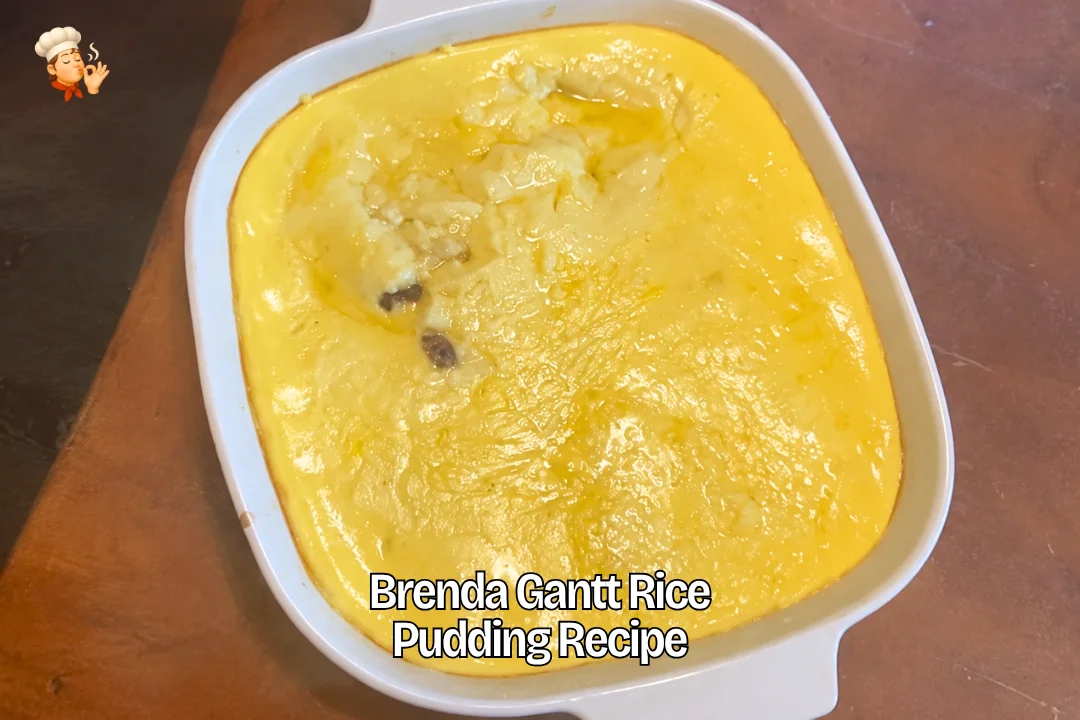
Brenda Gantt Rice Pudding Recipe (easy & most delicious)
Ingredients
Equipment
Method
- Preheat the Oven: Preheat the oven to 375–400°F (190–200°C). Choose a medium-sized casserole or baking dish that can hold the rice mixture.
- Beat the Eggs: Crack 4–5 large eggs into a mixing bowl and beat with a whisk or fork until the yolks and whites are fully combined.
- Mix in the Sugar: Add ¾ cup of granulated sugar to the beaten eggs and whisk until well combined.
- Add the Milk: Pour in 2 cups of milk and whisk until the mixture is smooth.
- Stir in the Cooked Rice: Add 2 cups of cooked rice, preferably leftover rice, and stir gently until the rice is evenly distributed throughout the custard.
- Add the Vanilla Extract: Pour in 1 teaspoon of vanilla extract and stir to combine.
- Fold in the Raisins: Add ½–1 cup of dark or golden raisins and stir gently to distribute them throughout the mixture.
- Add the Butter: Pour the rice mixture into the casserole dish and scatter 1–2 tablespoons of butter, cut into small pats, over the top.
- Bake the Rice Pudding: Place the dish in the preheated oven and bake for approximately 30–35 minutes, until the edges are set and the center still has a slight jiggle.
- Check the Custard: Check that the pudding is mostly set but remains soft in the center. For food safety, use a food thermometer to confirm that the egg mixture reaches 160°F (71°C).
- Let the Pudding Rest: Remove the dish from the oven and let the pudding rest for several minutes. The custard will continue to set as it cools.
- Serve the Rice Pudding: Spoon the warm pudding into serving bowls while it is still creamy. Refrigerate any leftovers within two hours.
Today’s Brenda Gantt Rice Pudding Recipe is a good way to use leftover rice without making another trip to the store. The eggs and milk give it a soft custard texture, while the raisins add a little sweetness in every bite.
If you enjoy Brenda’s home-style cooking, this Southern rice pudding copycat is a simple one to try next time you have cooked rice in the fridge. Serve it warm or cold, just as you like it.