When I ordered a chicken bowl at CAVA, I wasn’t expecting the cabbage slaw to be the part I remembered most. Between the grilled chicken, hummus, and all the Mediterranean toppings, it was the sumac cabbage slaw that completely changed the bowl. It was fresh, crisp, slightly tangy, and somehow made every bite taste lighter. After that visit, I kept adding it to my bowl every time I went back.
Naturally, I wanted to recreate that same CAVA Sumac Cabbage Slaw Recipe at home. My first few attempts weren’t even close. The cabbage had the crunch, but the bright flavor I loved was missing.
A friend of mine who knows someone working at CAVA shared a few helpful details about how the slaw is seasoned, and around the same time I came across a video showing how this slaw is prepared.
Combining both with plenty of testing in my own kitchen finally gave me the flavor I had been chasing.
If you’re looking for a homemade sumac cabbage slaw version that tastes remarkably close to the one served in a CAVA chicken bowl or your favorite Mediterranean bowl, this sumac slaw like cava I keep coming back to. I think you’ll be pleasantly surprised by how a few simple ingredients can deliver that same fresh, restaurant-style flavor right at home.
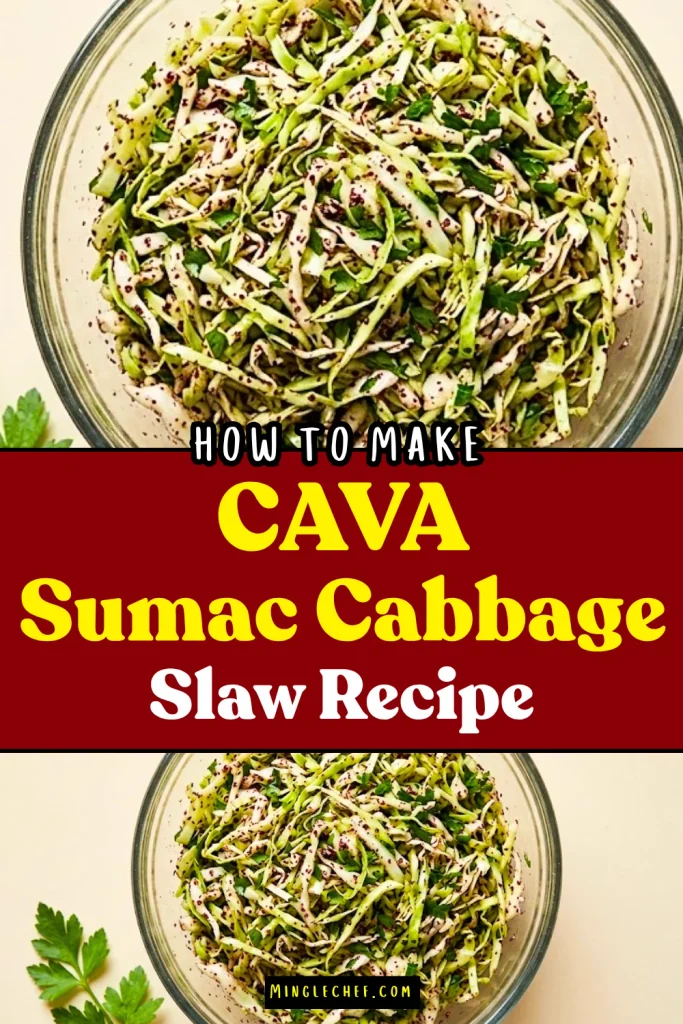
What is Sumac Cabbage Slaw
Sumac cabbage slaw is a simple Mediterranean-inspired side made from shredded green cabbage tossed with ground sumac, a touch of sugar, olive oil, red wine vinegar, and fresh parsley.
I’ve made regular vinegar slaw plenty of times, and after making this one side by side with a basic version, I can tell you the difference is night and day.
Regular slaw leans sweet or creamy depending on the dressing, but this one is sharp, herby, and citrusy without a drop of citrus in it.
The sumac does that work on its own. It’s the kind of side dish that doesn’t need mayo or a long ingredient list to taste like something you’d order out.
What is Sumac and How Is It Made
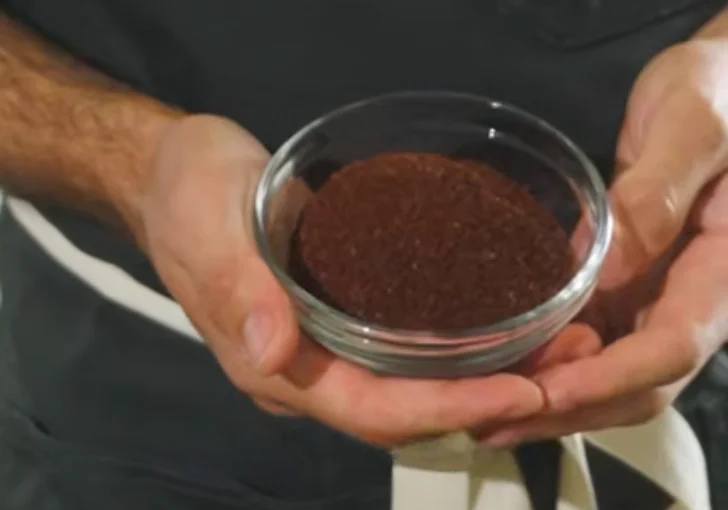
Sumac is a tangy, deep red spice made from the dried berries of the wild sumac shrub. It’s widely used in Middle Eastern and Mediterranean cooking to add a bright, lemon-like flavor without using fresh citrus juice.
In sumac cabbage slaw of CAVA, sumac is the ingredient that gives the cabbage its signature fresh, slightly tart taste and subtle earthy finish.
Harvest the Berries – Sumac berries are picked once they turn a deep crimson red, usually in late summer or early fall when their flavor is at its peak.
Dry the Berries – The berry clusters are air-dried or gently dried at low temperatures to remove moisture while preserving their natural color and tart flavor.
Separate the Fruit – Once dry, the berries are rubbed to separate the flavorful outer coating from the stems and seeds, which aren’t used in the finished spice.
Grind into Powder – The dried berry coating is finely ground into the reddish-purple powder found in spice jars. Some producers sift it for a smoother texture, while others leave it slightly coarse for a more rustic finish.
Store Properly – Fresh sumac should be kept in an airtight container away from heat, moisture, and direct sunlight. Proper storage helps preserve its bright color and citrusy flavor for several months.
Perfect For
CAVA Chicken Bowls – Spoon it over grilled chicken, rice, hummus, and fresh vegetables for a homemade bowl that tastes remarkably close to your favorite CAVA order.
Mediterranean Family Dinners – A fresh side to serve with chicken shawarma, grilled kebabs, kofta, or roasted vegetables when you want something crisp on the table.
Pita Wraps & Sandwiches – Adds a cool, crunchy layer inside pita pockets, wraps, and gyros without making them heavy.
Summer Cookouts – A lighter alternative to creamy coleslaw that pairs well with grilled chicken, burgers, steaks, or barbecue.
Weekly Meal Prep – Holds its texture well in the refrigerator, making it easy to add to lunch bowls and salads throughout the week.
Falafel & Hummus Platters – Brings a bright, tangy bite that balances crispy falafel, creamy hummus, and warm pita bread.
Holiday Mediterranean Spreads – Fits naturally alongside tabbouleh, couscous, roasted vegetables, olives, and other fresh Mediterranean favorites.
What is In Cava Sumac Slaw (Ingredients)
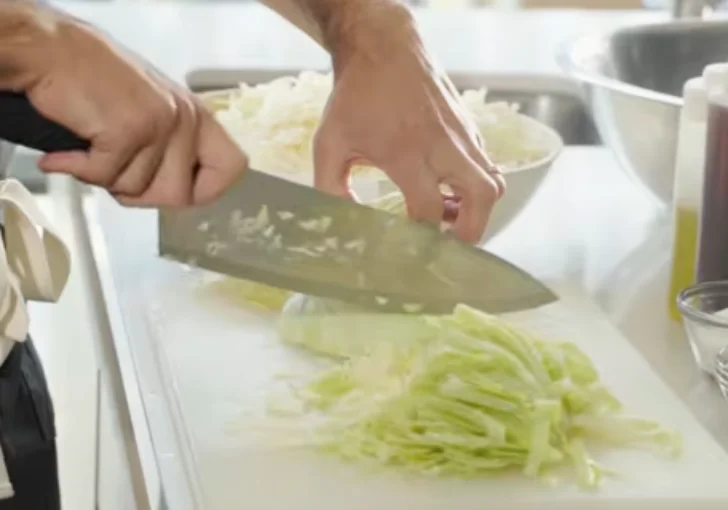
6 cups Green Cabbage, finely shredded (about ½ medium head) – I use fresh green cabbage because it gives this slaw the crisp texture and mild flavor it needs. Slice it very thin so it absorbs the dressing while still keeping a nice crunch in every bite.
1 teaspoon Kosher Salt – Kosher salt helps soften the cabbage slightly and brings out its natural flavor without making it taste salty. I prefer using Diamond Crystal or Morton Kosher Salt because they dissolve evenly and are easy to measure.
2 teaspoons Ground Sumac – Sumac is what gives this cabbage slaw its signature tangy, lemon-like flavor. I use a fresh, bright-colored sumac from brands like The Spice House or Burlap & Barrel for the best taste and aroma.
1 teaspoon Granulated Sugar – A small amount of sugar balances the tartness from the sumac and vinegar. I use regular white granulated sugar because it blends quickly into the dressing without adding any extra flavor.
2 tablespoons Extra Virgin Olive Oil – Olive oil adds a smooth richness and helps coat every piece of cabbage with the seasoning. I usually use a good-quality extra virgin olive oil with a mild fruity flavor since it is a main part of the dressing.
2 tablespoons Red Wine Vinegar – Red wine vinegar gives the slaw a bright, slightly tangy taste that works perfectly with the sumac. I like using a good-quality vinegar because the simple dressing allows its flavor to stand out.
2 tablespoons Fresh Parsley, finely chopped – Fresh parsley adds a clean herbal flavor and a pop of color to the cabbage. I always chop it right before mixing so it keeps its fresh taste and doesn’t lose its bright green color.
How To Make CAVA Sumac Cabbage Slaw
Step 1 | Prepare the Cabbage
Add the finely shredded cabbage to a large mixing bowl. Sprinkle the kosher salt evenly over the cabbage, then gently toss until every strand is lightly coated. Let it rest for about 10 minutes so the salt slightly softens the cabbage while keeping its fresh crunch.
Step 2 | Season with Sumac and Sugar
Sprinkle the ground sumac and granulated sugar over the cabbage. Toss well until the seasoning is evenly distributed. The sumac gives the slaw its bright citrusy flavor with mild fruity notes, while the sugar balances the natural tanginess.
Step 3 | Add the Dressing
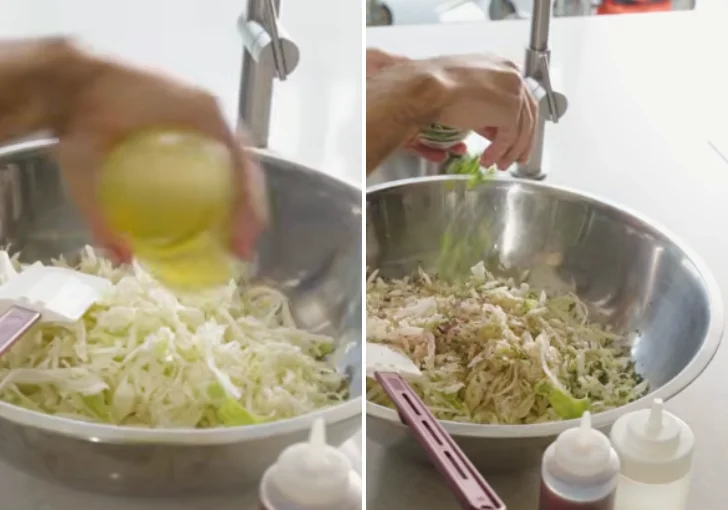
Pour the extra virgin olive oil and red wine vinegar over the seasoned cabbage. Toss thoroughly until the cabbage is evenly coated and glossy. The olive oil adds richness, while the red wine vinegar brings a clean, bright acidity that complements the sumac.
Step 4 | Finish with Fresh Parsley
Add the finely chopped fresh parsley and toss one final time until it is evenly mixed throughout the slaw. The parsley adds a fresh herbal flavor and a pop of color.
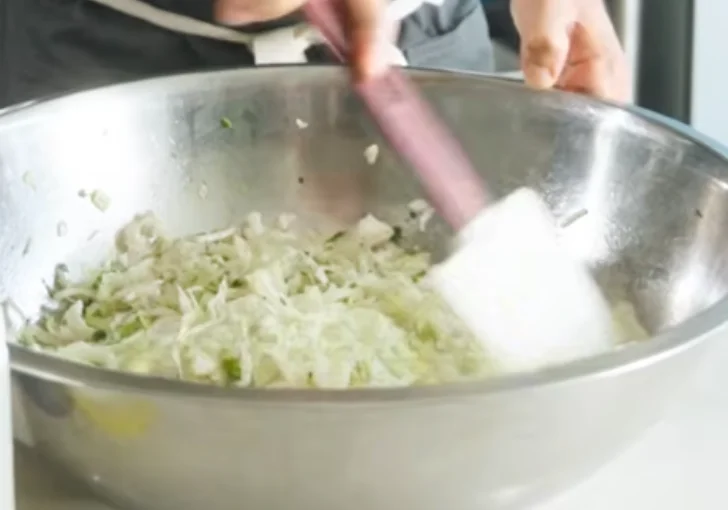
Step 5 | Let the Flavors Blend
For the best flavor, let the slaw sit for 10 to 15 minutes before serving. This allows the cabbage to absorb the dressing while remaining crisp. Serve chilled or at cool room temperature alongside grain bowls, grilled chicken, falafel, roasted vegetables, or pita.
Recipe Tips & Notes for CAVA Sumac Cabbage Slaw
I always shred the cabbage as thin as I possibly can. Thin shreds absorb the dressing far better than thick chunks, so every bite ends up seasoned instead of just the outer layer.
Salting the cabbage first and letting it rest for those 10 minutes isn’t a step I skip, even when I’m in a hurry. That short rest softens the cabbage just enough while keeping the crunch you want in a good slaw.
I taste the slaw right before serving and adjust from there. A pinch more salt or a small splash of extra vinegar can make the difference between a slaw that tastes good and one that tastes like it came straight from CAVA.
Making this a few hours ahead, or even the night before, actually works in your favor. The cabbage has time to soak up the sumac and vinegar, so the flavor gets deeper instead of fading.
I always give the slaw one more toss right before serving, even if I made it hours earlier. The dressing settles at the bottom of the bowl, and that quick toss brings all the flavor back to the top.
Mistakes To Avoid While Making Sumac Cabbage Slaw First Time
Using thick cabbage shreds. I always notice thick shreds don’t absorb the dressing as well and feel much tougher to eat than thin ones.
Skipping the resting time. Giving the cabbage those few minutes after salting makes a surprisingly big difference in texture.
Adding too much vinegar. It’s tempting to pour in extra for more tang, but it quickly overpowers the delicate citrus flavor from the sumac.
Using old spices. Fresh sumac has a bright aroma and deep red color, while older spice tends to taste dull and flat.
Using bagged coleslaw mix. It’s usually cut too thick and often includes carrots or red cabbage that throw off the texture and color you want here.
Mixing too roughly. Gentle tossing keeps the cabbage crisp instead of bruised and watery.
Serving immediately. Waiting just 10 to 15 minutes helps every ingredient blend together naturally instead of tasting like separate parts.
What To Serve with Sumac Cabbage Slaw
Mediterranean Grain Bowls
I love piling this slaw over rice, quinoa, or farro with grilled chicken, cucumbers, tomatoes, hummus, and feta. The cool cabbage adds fresh crunch that balances warm grains and creamy toppings, making every bite taste lighter and brighter.
Grilled Chicken or Chicken Kabobs
The tangy cabbage cuts through the smoky flavor of grilled chicken beautifully. A generous spoonful alongside juicy chicken breasts or skewers creates an easy dinner that feels like something you’d order from your favorite Mediterranean restaurant.
Falafel and Warm Pita
Stuff the slaw into warm pita with crispy falafel, hummus, cucumbers, and tahini sauce. The crunchy cabbage keeps every bite refreshing while adding texture that complements the soft pita and creamy spreads.
Roasted Vegetables
Roasted cauliflower, carrots, eggplant, or zucchini pair perfectly with this crisp salad. The fresh herbs and citrusy sumac brighten caramelized vegetables without covering up their natural sweetness.
Grilled Salmon
The clean acidity of the slaw works wonderfully with rich salmon. I like serving the fish with a generous pile of cabbage slaw and roasted potatoes for a colorful meal that’s both satisfying and fresh.
Store Leftovers
Store leftover slaw in an airtight container in the refrigerator for up to 4 days. The cabbage stays pleasantly crisp, although it softens slightly after the second day. Give it a quick toss before serving again.
FAQs
Is CAVA Sumac Cabbage Slaw the same as regular coleslaw?
Not really. Traditional coleslaw usually has a creamy mayonnaise dressing, while CAVA’s version uses olive oil, red wine vinegar, and sumac. The result is lighter, tangier, and much fresher.
Can I make this slaw the day before serving?
You can prepare it a day ahead and refrigerate it in an airtight container. The flavors blend nicely overnight, although the cabbage softens slightly while still keeping a pleasant crunch.
Can I use purple cabbage instead of green cabbage?
Purple cabbage works well if that’s what you have. It adds a slightly stronger flavor and a deeper color, but the dressing and seasonings stay exactly the same.
What does sumac taste like?
Sumac has a bright, citrusy flavor that’s similar to lemon but less sharp. It adds a gentle tang without making the slaw acidic or overpowering the fresh cabbage.
Where can I buy ground sumac?
Most Middle Eastern grocery stores carry it, and many supermarkets now stock it in the spice aisle. It’s also easy to find online from well-known spice companies.
Why should I salt the cabbage first?
Salting draws out a little moisture and slightly softens the cabbage. That simple step helps the dressing cling better while keeping the slaw crisp instead of tough.
How long does CAVA Sumac Cabbage Slaw stay fresh?
Stored in an airtight container, it keeps well in the refrigerator for up to four days. Stir it before serving since a little liquid naturally collects in the bottom of the bowl.
CAVA Sumac Cabbage Slaw Recipe
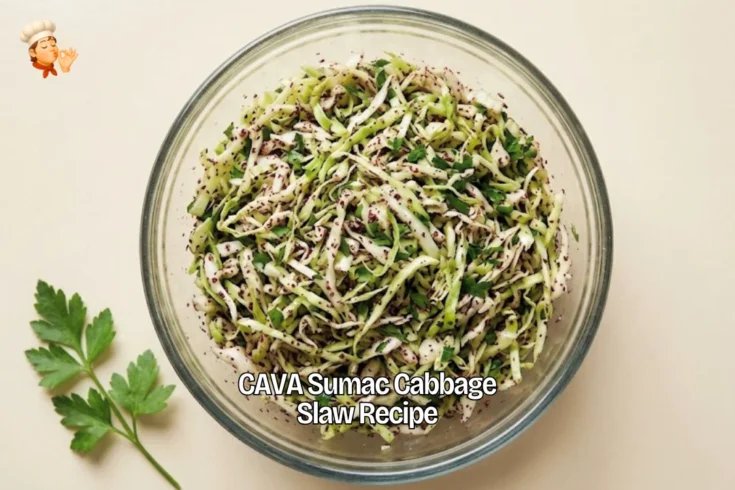
Recreate the fresh flavor of this CAVA Sumac Cabbage Slaw Recipe with just a few simple ingredients in about 25 minutes. After testing different versions, this copycat recipe finally delivered the crisp texture and bright, tangy taste I was looking for. You'll find easy step-by-step instructions, helpful tips, storage advice, and everything you need to make a homemade sumac cabbage slaw that tastes remarkably close to the one served at CAVA. Serve it with your favorite chicken bowl, grilled chicken, falafel, or warm pita for a complete Mediterranean-inspired meal.
Ingredients
- 6 cups green cabbage, finely shredded (about ½ medium head)
- 1 teaspoon kosher salt
- 2 teaspoons ground sumac
- 1 teaspoon granulated sugar
- 2 tablespoons extra virgin olive oil
- 2 tablespoons red wine vinegar
- 2 tablespoons fresh parsley, finely chopped
Instructions
- Add the finely shredded cabbage to a large mixing bowl. Sprinkle the kosher salt evenly over the cabbage, then gently toss until every strand is lightly coated. Let it rest for about 10 minutes so the salt slightly softens the cabbage while keeping its fresh crunch.
- Sprinkle the ground sumac and granulated sugar over the cabbage. Toss well until the seasoning is evenly distributed. The sumac gives the slaw its bright citrusy flavor with mild fruity notes, while the sugar balances the natural tanginess.
- Pour the extra virgin olive oil and red wine vinegar over the seasoned cabbage. Toss thoroughly until the cabbage is evenly coated and glossy.
- Add the finely chopped fresh parsley and toss one final time until it is evenly mixed throughout the slaw.
- For the best flavor, let the slaw sit for 10 to 15 minutes before serving. This allows the cabbage to absorb the dressing while remaining crisp. Serve chilled or at cool room temperature alongside grain bowls, grilled chicken, falafel, roasted vegetables, or pita.
Nutrition Information:
Serving Size:
About 1 cupAmount Per Serving: Calories: 85