This Stouffer’s Vegetable Lasagna Recipe is one comfort classic I never thought I’d make from scratch. For years, I just grabbed the frozen box — quick, easy, and honestly pretty good for a busy night.
But recently, when my husband asked me to pack a vegetable lasagna for his lunch, I realized I wanted to make something a little more homemade and fresh. I had just learned this copycat Stouffer’s vegetable lasagna recipe from my mom, and it felt like the perfect time to try it myself.
What surprised me most is how simple it actually is. You don’t need to pre-boil noodles, and the creamy garlic béchamel does most of the work in bringing everything together.
The vegetables cook right into the layers, giving you that soft, comforting texture you expect—but with a fresher taste.
You can serve this Stouffer’s veggie lasagna with warm garlic bread or a simple salad, and you’ve got a full meal ready. It’s also perfect when you want something cozy but still feel like you made it yourself.
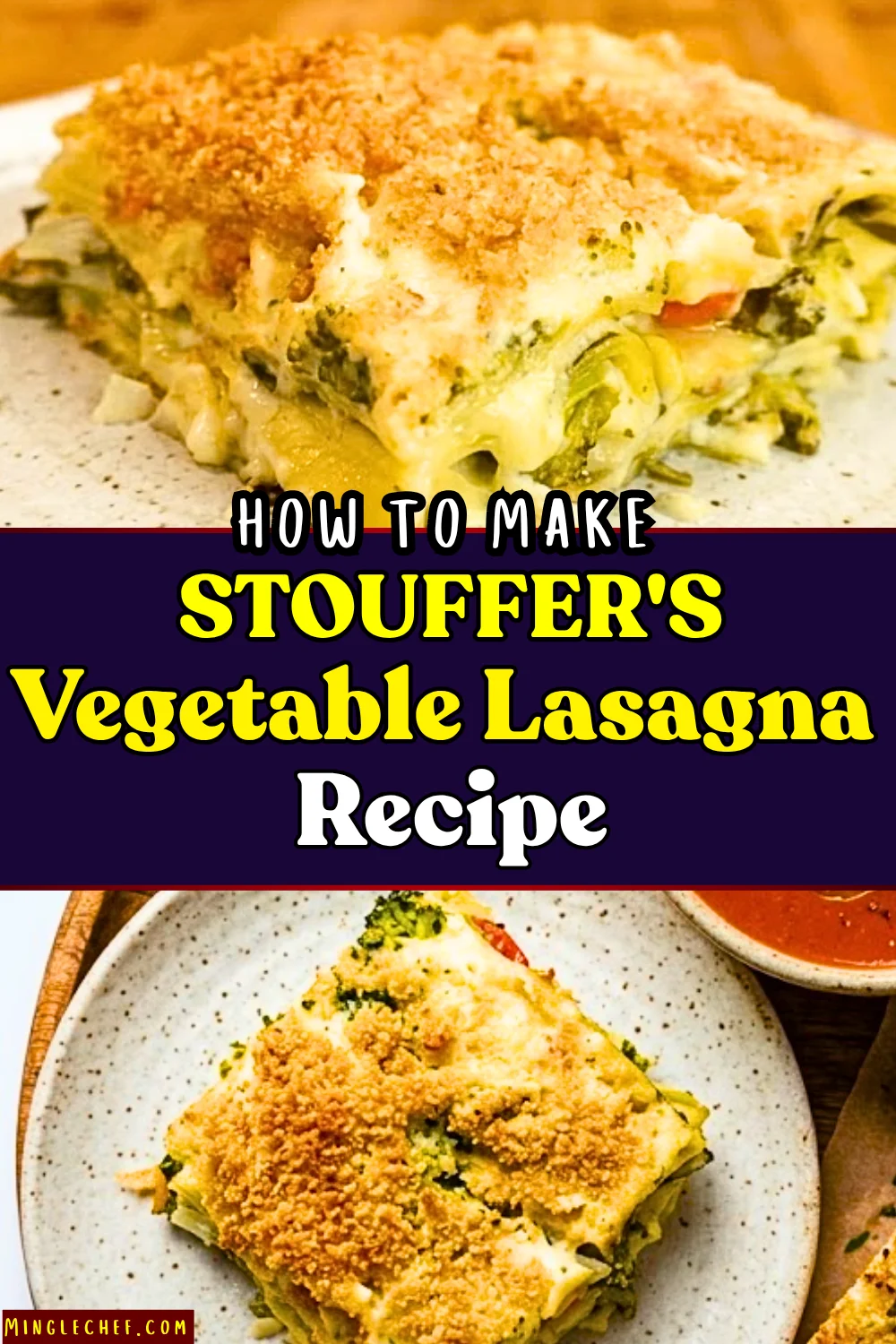
Why You’ll Love This Stouffer’s Veggie Lasagna
Stouffer’s makes a great freezer lasagna—no doubt about it. It’s convenient, dependable, and nostalgic. But like most frozen meals, it’s designed for mass production and long shelf life. That means milder seasoning, softer textures, and less control over ingredients.
Making it at home changes everything.
You control the salt. You choose the cheese. You get fresh vegetables instead of overly processed ones. And most importantly, you get that creamy garlic béchamel sauce made from scratch, which honestly tastes richer and more balanced than the store-bought version.
This Stouffer’s Veggie Lasagna version keeps the spirit of the original but upgrades the flavor and texture. It’s familiar—but better.
Perfect For
- Weeknight dinners when you want comfort without the guilt — it’s loaded with vegetables but still feels indulgent and cheesy.
- Feeding a crowd without breaking a sweat — one big dish, no fussy plating, and everybody loves lasagna.
- Meal prepping like a boss — this reheats beautifully, so make it Sunday and eat well through Wednesday.
- Sneaking veggies into picky eaters’ plates — the creamy sauce and melted cheese hide the broccoli and spinach like a charm.
- Vegetarian guests or meatless Monday nights — hearty enough that nobody will ask “where’s the meat?”
- Impressing someone who thinks frozen food can’t be topped — hand them a slice and watch their face.
Stouffer’s Vegetable Lasagna Ingredients
Vegetables
2 cups fresh spinach, stems removed — Fresh is best here for that bright, clean taste. If you’re using frozen spinach, make sure you thaw it completely and squeeze out every last drop of water with a clean towel. Excess moisture will make your lasagna soggy.
2 medium carrots, finely julienned and diced — Peel them and cut them small. Large carrot chunks won’t cook through in this bake and they’ll throw off the texture. Think matchstick-thin, then diced.
2 cups broccoli florets, chopped small — Trim away the tough base stems and chop the florets into pieces no bigger than a marble. They need to soften in the oven without turning mushy.
1 medium onion, finely chopped — Yellow onion works great for a mild sweetness. White onion is fine too. Just keep the dice small and uniform.
Garlic Béchamel Sauce
½ cup (1 stick / 113 g) butter — Use real unsalted butter. It gives the roux a rich, velvety foundation that margarine simply can’t replicate.
½ cup all-purpose flour — This is your thickener. Regular all-purpose works perfectly — no need for anything fancy.
2 cloves garlic, crushed — Crush or mince them finely so they melt into the sauce. This is what separates this béchamel from a plain white sauce.
1 teaspoon salt (plus more to taste) — Start with one teaspoon, then adjust at the end. Remember, this sauce is seasoning the entire lasagna.
Black pepper, to taste — Freshly cracked is always better, but pre-ground works in a pinch.
4 cups milk — Whole milk gives the creamiest result. You can use 2%, but the sauce won’t be quite as rich.
1 cup water — This thins the sauce slightly to help cook those unboiled noodles. You can substitute with more milk for extra richness.
Optional: small pinch of MSG — Adds a subtle savory depth. Completely optional, but if you have it in the pantry, it does wonders here.
Lasagna Layers
1 pound (450 g) regular lasagna noodles, uncooked — This is important: use standard lasagna noodles, NOT oven-ready or no-boil noodles. The extra liquid in this recipe is designed to hydrate regular noodles during baking.
~4 ounces (115 g) shredded Parmesan cheese — Pre-shredded is convenient, but freshly grated from a block melts better and has more flavor. You’ll use about 1 ounce per layer.
8–12 ounces (225–340 g) shredded mozzarella cheese — Low-moisture mozzarella melts beautifully and gives you that classic stretchy pull. Use 2–3 ounces per layer depending on how cheesy you like it.
Buttered Breadcrumb Topping
½ cup breadcrumbs — Plain, unseasoned breadcrumbs. Italian-style will work but may change the flavor slightly.
2½ tablespoons melted butter — This coats the breadcrumbs so they toast up golden and crisp in the oven.
Extra Liquid for Noodles
2¼ cups water — This is non-negotiable. Without it, the uncooked noodles won’t have enough moisture to soften and cook through during baking.
Kitchen Equipment Needed
- Large saucepan or pot (for béchamel)
- Medium mixing bowl (for vegetables if you like to combine them)
- Small bowl (for breadcrumbs)
- 9×13-inch (23×33 cm) baking dish
- Whisk
- Sharp knife and cutting board
- Measuring cups and spoons
- Aluminum foil
- Ladle or large spoon (for spreading sauce)
How To Make Stouffer’s Vegetable Lasagna
Step 1 | Prepare the Vegetables
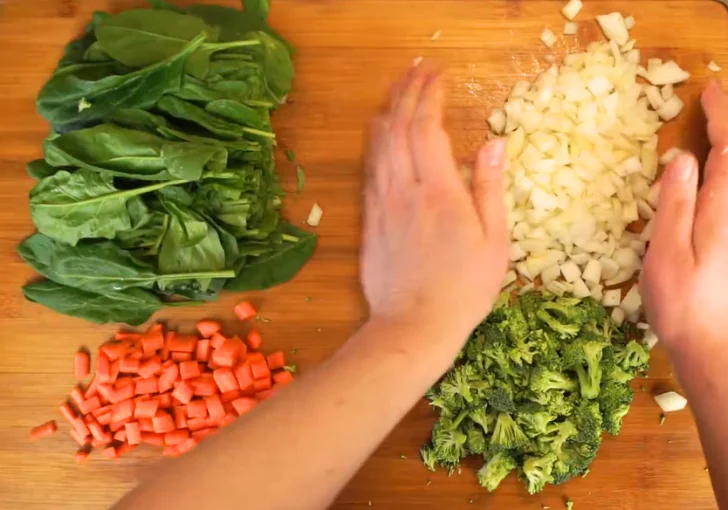
Cut the spinach by removing the tough stem ends and roughly chopping the leaves if needed. Peel the carrots, trim the ends, and slice them into thin strips before dicing into small pieces so they cook evenly without leaving large chunks.
Trim the broccoli to remove the tough base and chop the florets into small, bite-sized pieces. Peel and finely chop the onion. Keep all vegetables small and uniform for even cooking and better texture throughout the lasagna.
Step 2 | Make the Garlic Béchamel Sauce
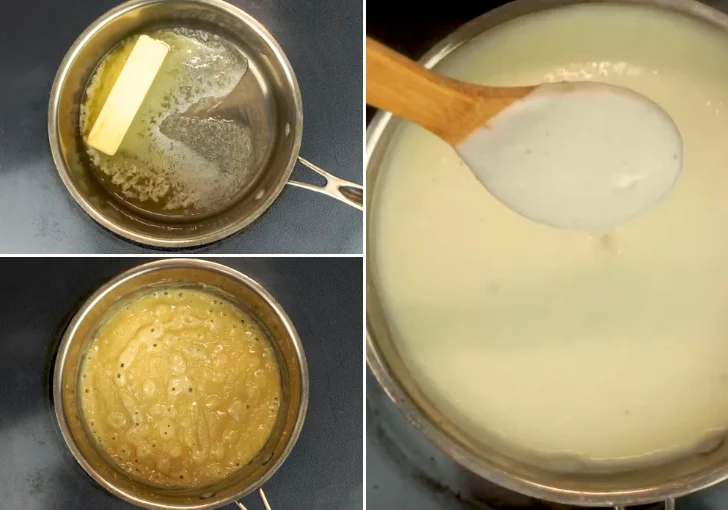
Melt the butter in a large pot over medium heat until mostly melted. Add the flour and stir continuously to form a smooth roux. Cook for 1–2 minutes just to remove the raw flour taste, without allowing it to brown. Add the crushed garlic, salt, and black pepper, stirring to combine. Slowly pour in the milk and water while whisking to prevent lumps.
Continue whisking as the mixture heats and comes to a gentle simmer. Once thickened into a creamy sauce, turn off the heat.
Taste and adjust seasoning, keeping the sauce slightly saltier than usual since it will season the entire lasagna. Add a small pinch of MSG if desired.
Step 3 | Start Layering the Lasagna
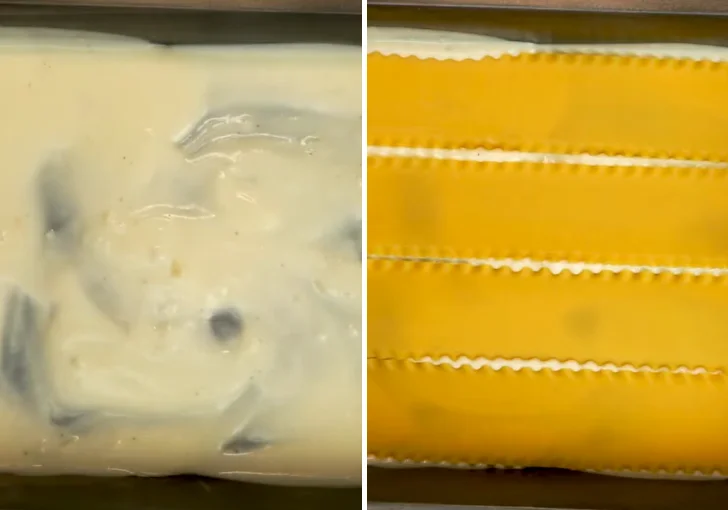
Spread a generous layer of the béchamel sauce across the bottom of a large baking dish, making sure the surface is fully covered to prevent dry or crunchy noodles. Lay a layer of uncooked lasagna noodles directly over the sauce, slightly overlapping if needed.
Step 4 | Add Vegetables and Cheese
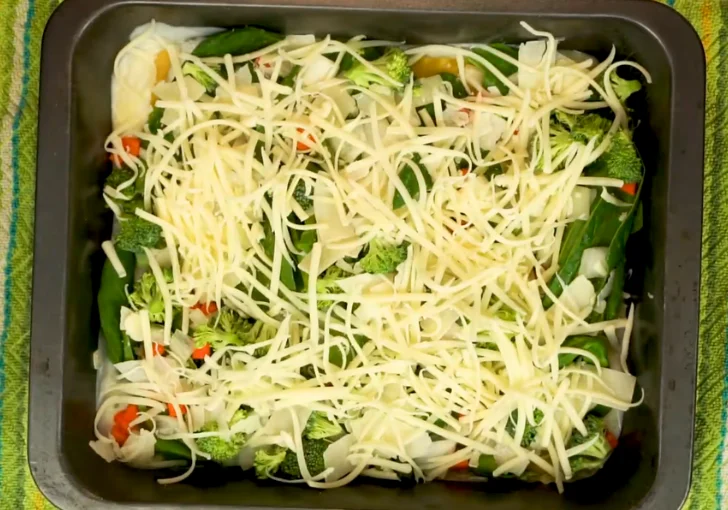
Spread about one-quarter of the prepared vegetables evenly over the noodles. Sprinkle approximately 1 ounce of Parmesan cheese and 2–3 ounces of mozzarella cheese over the vegetables. Distribute evenly to ensure balanced flavor in every bite.
Step 5 | Repeat the Layers
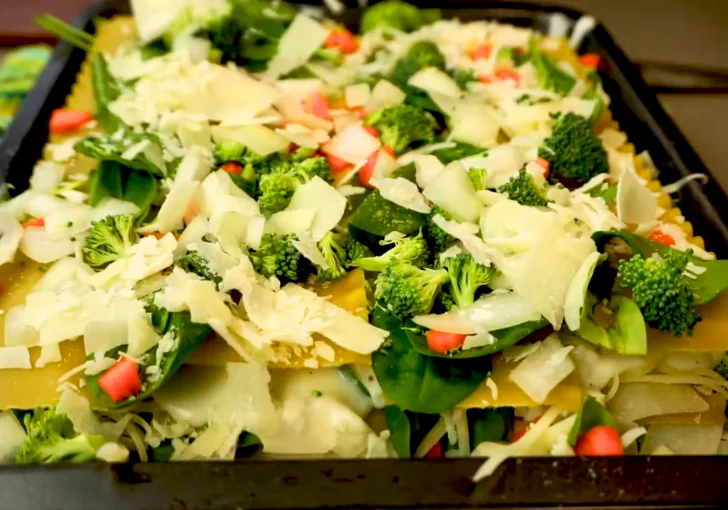
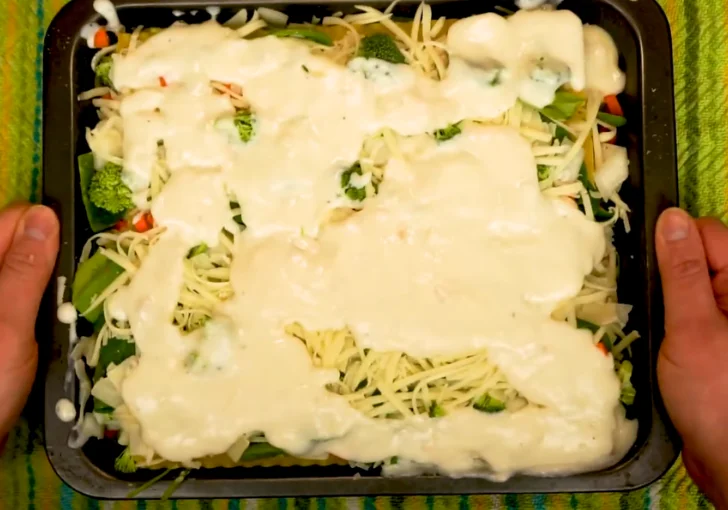
Repeat the layering process: sauce, noodles, vegetables, and cheese. Continue building layers until all ingredients are used, finishing with a final layer of sauce on top to keep everything moist during baking.
Step 6 | Add Buttered Breadcrumb Topping
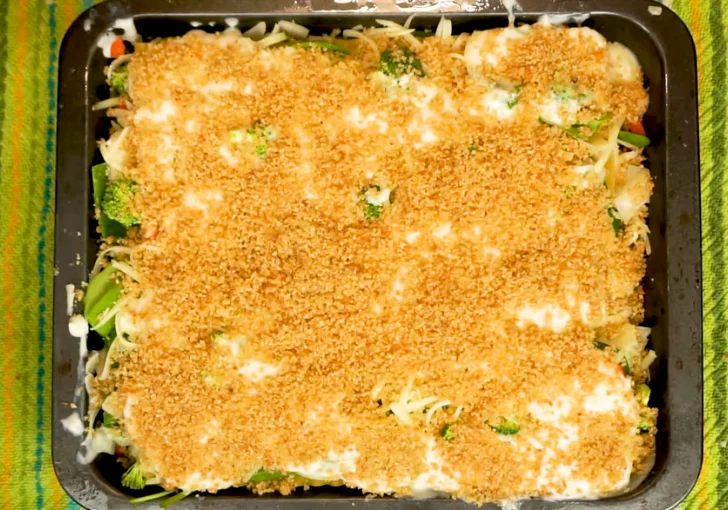
In a small bowl, mix the breadcrumbs with melted butter until evenly coated. Sprinkle this mixture evenly over the top layer of the lasagna. This creates a rich, lightly crisp topping after baking.
Step 7: Add Extra Liquid for Uncooked Noodles
Pour 2¼ cups of water evenly over the assembled lasagna. This step ensures the uncooked noodles absorb enough moisture and cook perfectly without pre-boiling.
Step 8 | Cover and Bake (First Stage)
Lightly oil one side of a sheet of aluminum foil and cover the baking dish tightly, placing the oiled side facing down to prevent sticking. Bake in a preheated oven at 400°F (200°C) for 15 minutes.
Step 9 | Finish Baking (Second Stage)
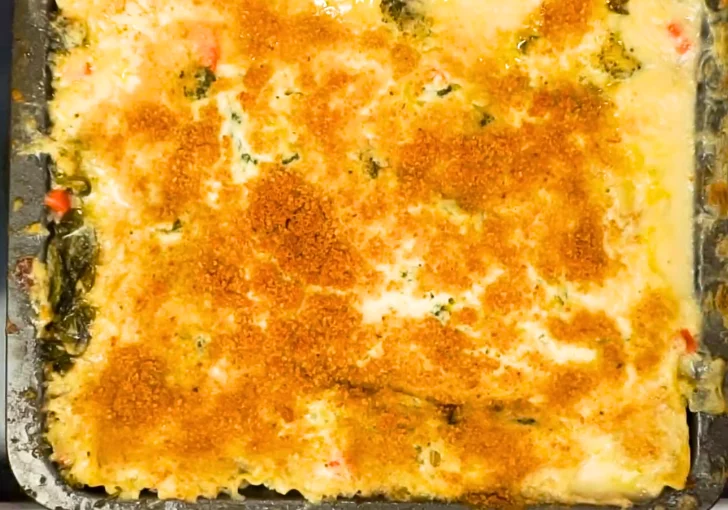
Carefully remove the foil and return the lasagna to the oven. Bake uncovered for an additional 10 minutes, allowing the top to set and the breadcrumbs to lightly crisp.
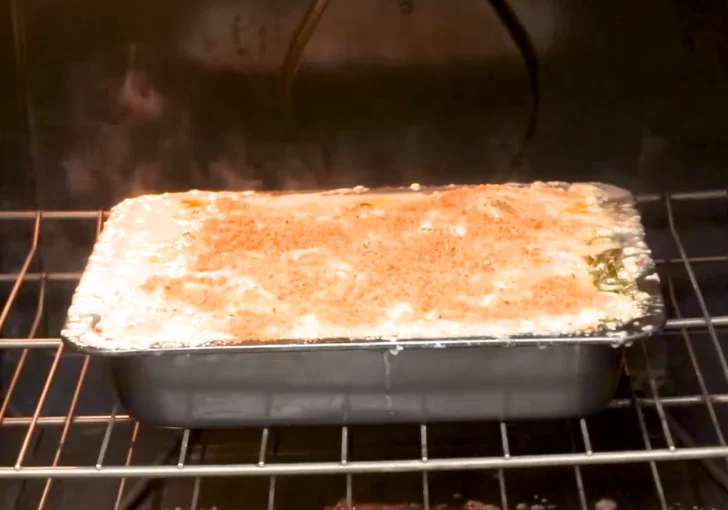
Step 10 | Rest and Serve
Remove the lasagna from the oven and let it rest for at least 5–10 minutes before slicing. This allows the layers to firm up and makes serving cleaner. Cut into portions and serve warm.
Chef Tips & Notes for Perfect Stouffer’s Vegetable Lasagna
- Chop the vegetables small. This isn’t the place for big florets or chunky carrots. Small dice means everything gets tender within the relatively short bake time.
- Season the béchamel properly. The white sauce carries the flavor for the whole dish. If it tastes bland in the pot, your lasagna will taste flat later.
- Don’t be tempted to skip the extra water. It looks like a lot, but your noodles need it to cook through. The dish will look loose when it’s hot; it firms as it cools.
- Rest time is not optional. Those 5–10 minutes after baking make a huge difference in sliceability and overall texture.
- Use good cheese if you can. Pre-shredded is fine, but a better-quality mozzarella and Parmesan will give you a more “restaurant meets frozen classic” flavor.
- Adjust veg to taste. If you love spinach, add a bit more and reduce broccoli slightly, or vice versa. Just keep the overall volume similar.
Stouffer’s Vegetable Lasagna Taste
After making this from scratch, the first thing you’ll notice is how creamy and comforting it feels—but without being overly heavy. The béchamel sauce wraps around every layer, giving it that smooth, almost velvety bite.
The vegetables don’t overpower the dish—they blend in gently, adding sweetness and texture without taking center stage. The cheese melts into everything, while the breadcrumb topping adds just a light crisp finish.
It tastes like the frozen version you remember (even better), just fresher and more alive.
Mistakes To Avoid While Making This Stouffer’s Vegetable Lasagna
Cutting the veggies too big. I did this once and ended up with slightly crunchy carrots in a perfectly cooked lasagna. Take the extra minute to chop them small—it pays off in every bite.
Under-seasoning the sauce. It’s easy to be cautious with salt, but if the béchamel tastes bland, the whole dish will, too. I always taste twice before taking it off the heat.
Using oven-ready noodles. The extra water in this recipe is meant for regular noodles. If you swap in no-boil sheets, you’ll likely end up with a watery or over-soft lasagna.
Skipping the rest period. I used to cut into lasagna straight out of the oven and wonder why it looked like a casserole. Waiting those few minutes really helps the layers set.
Overloading with extra veggies or cheese without adjusting. It’s tempting to just “pile it on,” but too much added volume means the noodles might not cook fully, or the center might be too wet. Stay close to the given amounts until you know how your oven behaves.
What To Serve with This Stouffer’s Vegetable Lasagna
A crisp green salad with a light vinaigrette works beautifully here. The freshness cuts through the creamy layers and gives your plate a balanced feel, especially if you’re serving generous portions of lasagna.
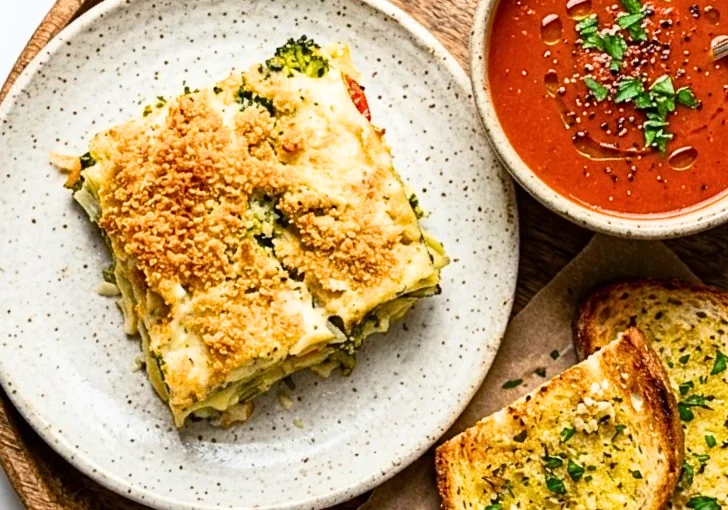
Warm garlic bread is always a classic pairing. The crunchy edges and buttery flavor complement the soft, cheesy layers, making each bite feel even more indulgent without being overwhelming.
Roasted vegetables like zucchini or bell peppers add a deeper, slightly caramelized flavor. They bring contrast without clashing, making the meal feel more complete and thoughtfully plated.
A simple tomato soup on the side can also work surprisingly well. Its acidity balances the richness of the béchamel, giving you that comforting, cozy combination that feels like a full experience.
Store Leftover & Reheat
Leftover
Cool the lasagna to room temperature (no more than 2 hours out), then cover the dish tightly or transfer slices to airtight containers. Refrigerate for up to 3–4 days. For longer storage, wrap individual pieces well and freeze for up to 2–3 months. Label with the date so you don’t lose track.
Reheat
For best results, reheat covered in a 325–350°F (165–175°C) oven until hot in the center (about 20–25 minutes from chilled, longer from frozen). Add a splash of milk or water around the edges if it seems dry. Single portions can be microwaved on medium power, covered, in 1–2 minute bursts until warmed through.
FAQs
Can I use frozen mixed vegetables instead of fresh?
Yes. Use a similar total volume of frozen mixed veggies (about 3–4 cups), but thaw and pat them dry first. Too much extra moisture can make the lasagna watery. You may also want to chop any large pieces smaller to keep the texture consistent.
Do I really not have to boil the lasagna noodles first?
Correct—you use regular, uncooked lasagna noodles in this recipe. The combination of béchamel and the measured 2¼ cups of added water provides enough moisture for the noodles to cook through in the oven. Just don’t substitute oven-ready noodles with this exact liquid amount.
How can I make this a bit lighter?
Use 2% milk instead of whole, reduce the mozzarella slightly (use the 8 oz amount), and skip the optional MSG. You can also increase the vegetables by about ½ cup total and reduce the cheese just a touch more. It’ll still taste creamy and satisfying.
Can I add other vegetables or mushrooms?
Yes—sliced mushrooms, small zucchini dice, or peas can all work. Sauté mushrooms first so they release their moisture, and keep any added veggies chopped small. Try not to add more than about 1 extra cup of vegetables total unless you’re comfortable adjusting bake time and liquid.
How do I know when the lasagna is done baking?
Look for steady bubbling around the edges and a lightly golden top. If you insert a knife or skewer into the center, it should go through the noodles easily with no resistance. If it still feels firm, cover loosely and bake a few more minutes.
Stouffer's Vegetable Lasagna Recipe
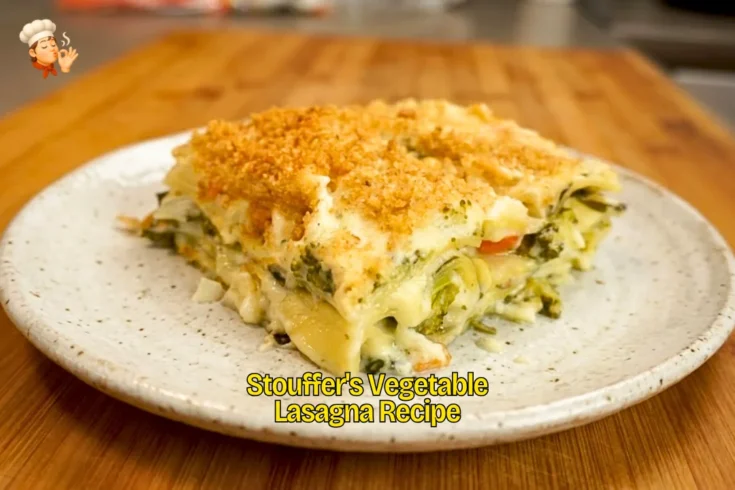
This Stouffer’s Vegetable Lasagna Recipe has always been one of my favorite comfort meals, and this homemade version brings that same creamy, cheesy flavor with fresher ingredients and simple steps. You don’t need to pre-boil noodles, and the garlic béchamel makes everything rich without extra effort. This copycat Stouffer’s vegetable lasagna recipe is easy enough for weeknights but still feels special when served hot from the oven. It takes about 45 minutes and is beginner-friendly. You can serve it with garlic bread or a crisp salad for a complete, satisfying dinner at home.
Ingredients
Vegetables
- 2 cups fresh spinach (stems removed) (or frozen spinach, thawed and drained)
- 2 medium carrots, finely julienned and diced
- 2 cups broccoli florets, chopped small
- 1 medium onion, finely chopped
Garlic Béchamel Sauce
- ½ cup (1 stick / 113 g) butter
- ½ cup all-purpose flour
- 2 cloves garlic, crushed
- 1 teaspoon salt (plus more to taste)
- Black pepper, to taste
- 4 cups milk
- 1 cup water (or substitute with milk if preferred)
- Optional: small pinch of MSG
Lasagna Layers
- 1 pound (450 g) regular lasagna noodles (uncooked, not oven-ready)
- ~4 ounces (115 g) shredded Parmesan cheese (about 1 oz per layer)
- 8–12 ounces (225–340 g) shredded mozzarella cheese (2–3 oz per layer)
Buttered Breadcrumb Topping
- ½ cup breadcrumbs
- 2½ tablespoons melted butter
Extra Liquid for Noodles (Important)
- 2¼ cups water (for hydrating uncooked noodles during baking)
Instructions
- Cut the spinach by removing the tough stem ends and roughly chopping the leaves if needed. Peel the carrots, trim the ends, and slice them into thin strips before dicing into small pieces so they cook evenly without leaving large chunks.
- Trim the broccoli to remove the tough base and chop the florets into small, bite-sized pieces. Peel and finely chop the onion. Keep all vegetables small and uniform for even cooking and better texture throughout the lasagna.
- Melt the butter in a large pot over medium heat until mostly melted. Add the flour and stir continuously to form a smooth roux. Cook for 1–2 minutes just to remove the raw flour taste, without allowing it to brown. Add the crushed garlic, salt, and black pepper, stirring to combine. Slowly pour in the milk and water while whisking to prevent lumps.
- Continue whisking as the mixture heats and comes to a gentle simmer. Once thickened into a creamy sauce, turn off the heat. Taste and adjust seasoning, keeping the sauce slightly saltier than usual since it will season the entire lasagna. Add a small pinch of MSG if desired.
- Spread a generous layer of the béchamel sauce across the bottom of a large baking dish, making sure the surface is fully covered to prevent dry or crunchy noodles. Lay a layer of uncooked lasagna noodles directly over the sauce, slightly overlapping if needed.
- Spread about one-quarter of the prepared vegetables evenly over the noodles. Sprinkle approximately 1 ounce of Parmesan cheese and 2–3 ounces of mozzarella cheese over the vegetables. Distribute evenly to ensure balanced flavor in every bite.
- Repeat the layering process: sauce, noodles, vegetables, and cheese. Continue building layers until all ingredients are used, finishing with a final layer of sauce on top to keep everything moist during baking.
- In a small bowl, mix the breadcrumbs with melted butter until evenly coated. Sprinkle this mixture evenly over the top layer of the lasagna. This creates a rich, lightly crisp topping after baking.
- Pour 2¼ cups of water evenly over the assembled lasagna. This step ensures the uncooked noodles absorb enough moisture and cook perfectly without pre-boiling.
- Lightly oil one side of a sheet of aluminum foil and cover the baking dish tightly, placing the oiled side facing down to prevent sticking. Bake in a preheated oven at 400°F (200°C) for 15 minutes.
- Carefully remove the foil and return the lasagna to the oven. Bake uncovered for an additional 10 minutes, allowing the top to set and the breadcrumbs to lightly crisp.
- Remove the lasagna from the oven and let it rest for at least 5–10 minutes before slicing. This allows the layers to firm up and makes serving cleaner. Cut into portions and serve warm.
Nutrition Information:
Serving Size:
1 slice personAmount Per Serving: Calories: 420
Once you try this homemade Stouffer’s Vegetable Lasagna recipe, it’s hard to go back to the box.
The layers of soft noodles, creamy garlic béchamel, and tender veggies really do capture that copycat Stouffer’s feel, but with fresher flavor and more control over every ingredient.
I love baking a pan on Sunday and stretching it into weeknight dinners and lunches.